The Australian government has officially secured its first vessel for inclusion in the country's recently announced National Strategic Fleet. The initiative, overseen by the Department of Infrastructure, Transport, Regional Development, Communications and the Arts, aims to establish a fleet to safeguard Australia's supply chain resilience and bolster maritime trade security.
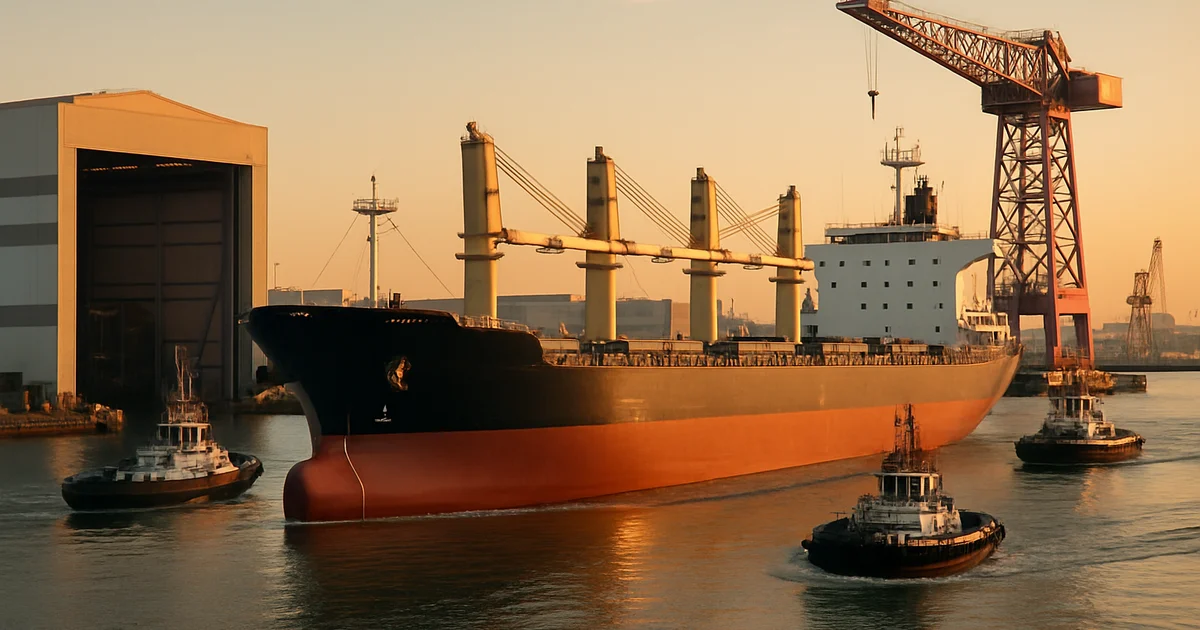
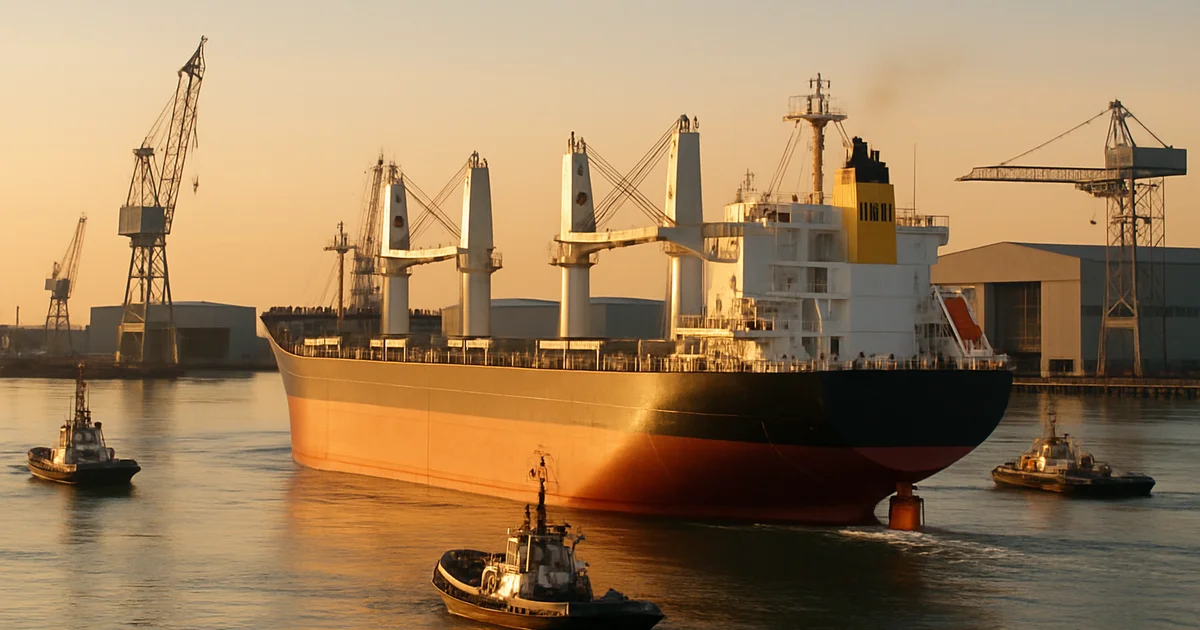
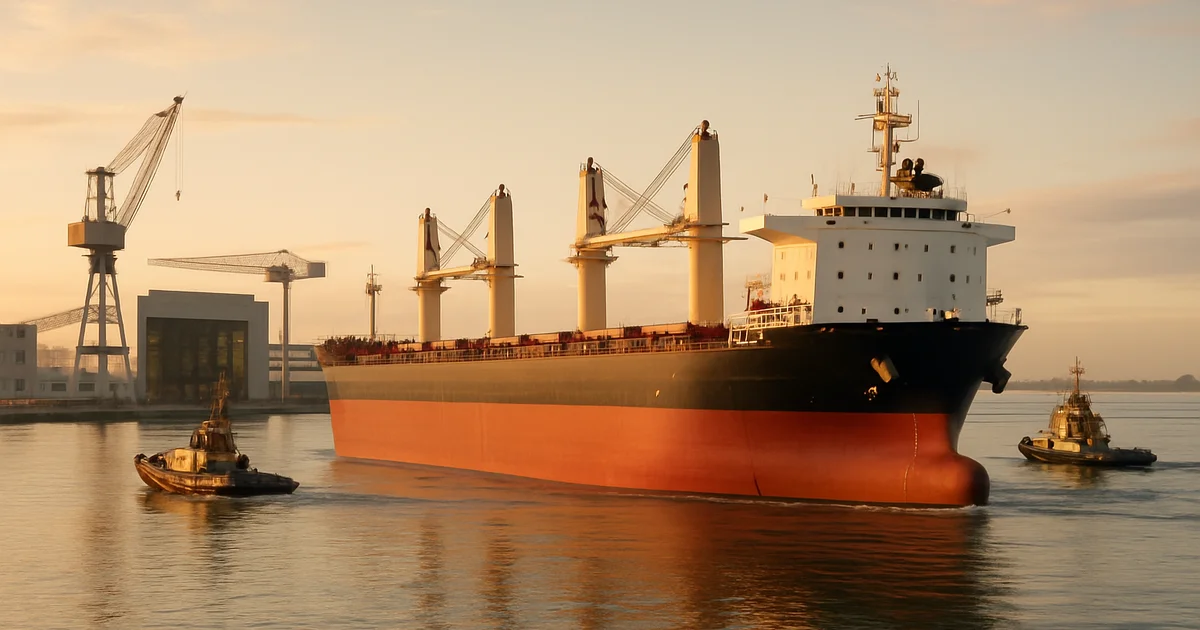
The vessel acquired is the multi-purpose cargo ship Kalmar, built in 2011 and flagged in the Bahamas prior to its procurement. The vessel features a deadweight tonnage of 22,000 and an overall length of 165 meters. It is equipped for versatile operations, with dual cranes for handling bulk and containerized cargo. Official details regarding the purchase price and seller have not been disclosed.
Minister for Infrastructure, Transport, Regional Development and Local Government Catherine King stated that the procurement reflects the government’s commitment to strengthening Australia's shipping independence by reducing reliance on foreign-flagged vessels for critical trade routes. King emphasized the importance of the National Strategic Fleet in ensuring access to essential goods during global supply chain disruptions. She projected that the fleet will grow to include additional vessels tailored to the nation’s strategic needs, including bulk carriers, tankers, and other specialized ships.
The program was formally announced in 2022 as part of the federal government's broader policy to revitalize the domestic shipping industry. The initiative targets increasing the number of Australian-flagged vessels operating under domestic and international trade routes. Current government projections suggest that future vessel additions to the fleet will be procured through both acquisitions and long-term charters under the Australian flag.
According to operational guidelines released earlier this year, vessels in the National Strategic Fleet will be dual-use, available for commercial trading but prioritized for government-directed missions during emergencies or conflicts. Operators managing these ships will be required to meet Australian labor and standards compliance, which the government has stated aligns with their objectives for maritime sovereignty and workforce development.
Why this matters
The establishment of Australia's National Strategic Fleet marks a notable step in efforts to mitigate vulnerabilities stemming from heavy reliance on foreign-flagged and controlled shipping. With the addition of the Kalmar, critical industries, such as energy, agriculture, and manufacturing, could gain more secure and autonomous supply chains.
The move underscores a global trend among maritime nations prioritizing the development or enhancement of sovereign fleets as a response to increasing trade security challenges. The initiative could see Australian shipowners and crew benefit from increased employment opportunities and long-term contracts under the national flag. However, the government’s focus on compliance with Australian labor and operational standards may translate into higher operating costs compared to international competitors.
For operators, this program highlights evolving national shipping policies and the importance of aligning fleet procurement and workforce strategies with government shipping priorities in jurisdictions like Australia.
The acquisition of the Kalmar sets the stage for forthcoming announcements regarding fleet expansion and additional vessel categories under the National Strategic Fleet. Stakeholders in Australian shipping and trade logistics are likely to monitor how such developments impact domestic maritime supply chain resilience and international competitiveness.