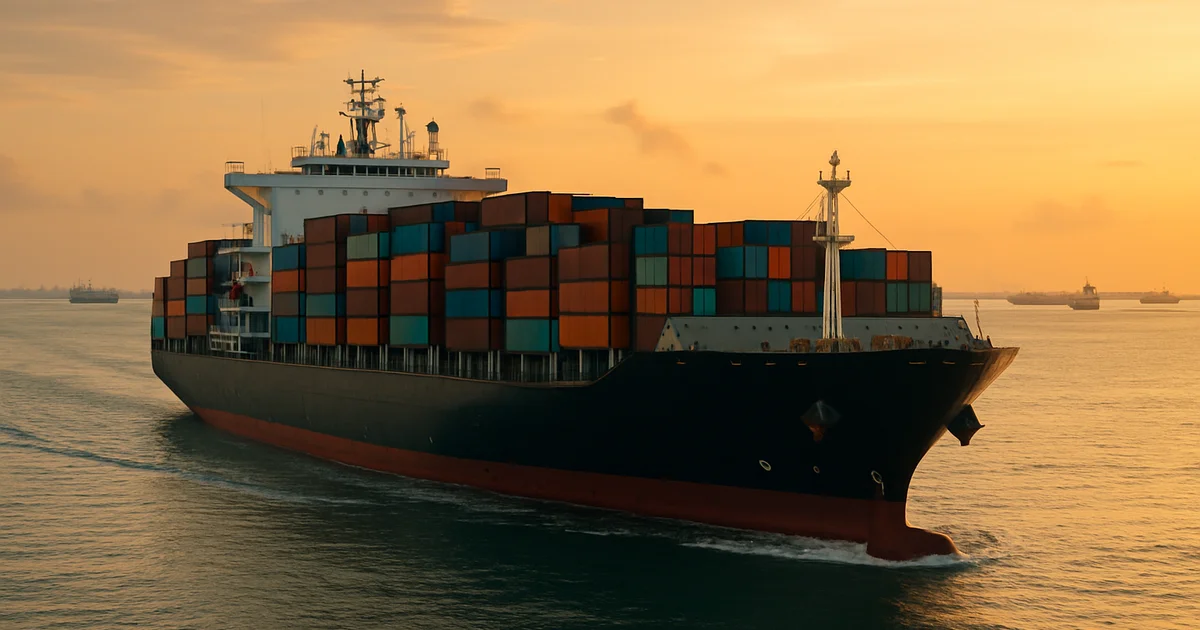
A container vessel has reportedly sunk off the coast of Batam, Indonesia. The incident occurred in waters frequently used for regional shipping, situated approximately 30 kilometers south of Singapore. The vessel, whose name and flag state were not disclosed in the initial reports, was en route through the busy maritime corridor when it encountered difficulties leading to its sinking.
According to preliminary data from the Maritime and Port Authority of Singapore (MPA), the vessel was transporting containerized cargo, though details regarding the volume, type, or any hazardous materials onboard have yet to be revealed. Local authorities in Batam, along with support from regional maritime agencies, have initiated a response operation focusing on the safety of the crew and the potential environmental risks associated with the incident.
Initial accounts suggest that all crew members have been safely evacuated, with no report of injuries at this time. The vessel's operators are reportedly cooperating with relevant authorities to assess the extent of the incident and determine immediate containment measures, particularly concerning the potential for marine pollution. Oil spill response teams are said to be prepared for deployment if deemed necessary.
Crews from Indonesia’s local maritime authorities are coordinating with Singapore’s MPA to monitor the accident site. Information regarding the vessel’s cargo manifest and any potential navigational hazards that could result from the submerged wreckage has been requested by both governments to ensure safe passage in the affected sea lane.
Why this matters
The waters south of Singapore are among the most strategic shipping lanes globally, linking the Malacca Strait with major international ports. The sinking of a container vessel in this area carries implications for regional shipping schedules and has the potential to disrupt trade flows if the wreckage obstructs key transit routes. Furthermore, any cargo spillage or fuel leakage could pose environmental challenges, potentially impacting marine life and fisheries in the area.
Maritime operators and shipping companies relying on this corridor will need to account for potential delays or rerouting if salvage operations are prolonged or if navigational safety becomes a concern. The deployment of resources by Singapore and Indonesia underscores the importance of maintaining operational safety and environmental vigilance in one of the world’s busiest waterways.
The incident emphasizes the critical nature of robust contingency planning and rapid response frameworks for shipping companies and port authorities operating in such high-traffic maritime zones. Operators navigating these waters may need to review risk mitigation strategies in light of the ongoing investigation.
Authorities are expected to release further details on the vessel and the circumstances leading to its sinking pending the conclusion of initial assessments. Salvage operations, as well as efforts to mitigate environmental harm, will likely shape the operational recovery timeline and the broader impact on the shipping lanes south of Singapore.