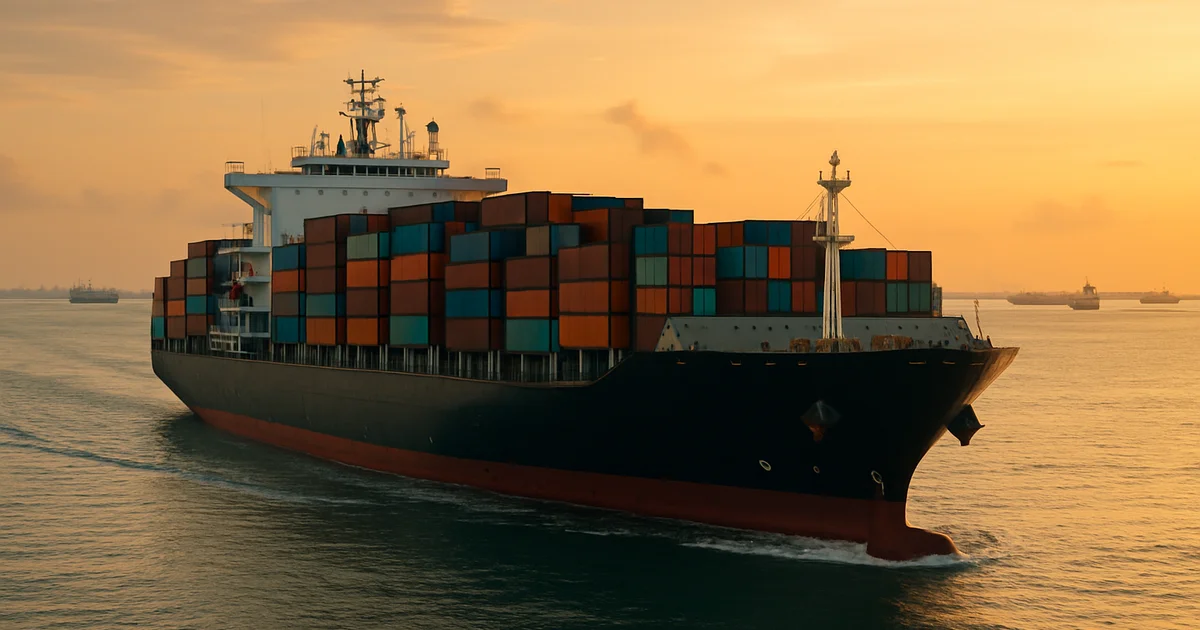
Singapore has reinforced its position as a multi-fuel bunkering hub with the issuance of new LNG bunkering licences by the Maritime and Port Authority of Singapore (MPA). This development comes as part of ongoing efforts to enhance the port's capabilities in supporting cleaner marine fuels.
The MPA's decision aligns with global maritime trends towards decarbonisation and supports the International Maritime Organization's (IMO) environmental goals. The new licences have been awarded to three companies: Pavilion Energy Singapore, FueLNG, and Total Marine Fuels Global Solutions. These entities are expected to facilitate greater adoption of LNG as a marine fuel, providing infrastructure and supply chain solutions to support sustainable maritime operations.
Each of these licensees has been selected based on robust criteria, demonstrated competence, and a track record in LNG supply and bunkering operations. These developments are part of Singapore's larger roadmap to become a leading sustainable maritime hub by adapting to the diversifying energy landscape in maritime fuel consumption.
Why this matters
The introduction of new LNG bunkering licences is significant for several reasons. First, it positions Singapore strategically amid increasing regulatory pressures to reduce greenhouse gas emissions from shipping. As shipping companies seek compliance with environmental regulations, particularly the IMO's greenhouse gas reduction targets, the availability of LNG bunkering services will offer a compliant alternative to conventional bunker fuels.
For vessel owners and operators, the expansion of LNG bunkering capabilities in a key transshipment hub like Singapore means enhanced access to cleaner fuel options that can ensure compliance with stringent emission standards. This development could influence routing strategies and operational planning for shipping lines focused on minimizing their environmental footprint.
Moreover, enhancing Singapore's multi-fuel bunkering infrastructure not only supports its competitiveness but also mitigates the demand variability seen in global fuel markets. For freight forwarders and logistics providers, consistent fuel availability and pricing in Singapore can ease planning and facilitate efficient transit across major Asia-Pacific and global trade routes.
The licensing move represents a forward step in aligning the port's operations with the maritime industry's shift towards sustainability. Stakeholders in the maritime shipping and trade sectors will need to monitor how this growth in LNG bunkering capacity affects fuel pricing dynamics and supply chain logistics in the region.