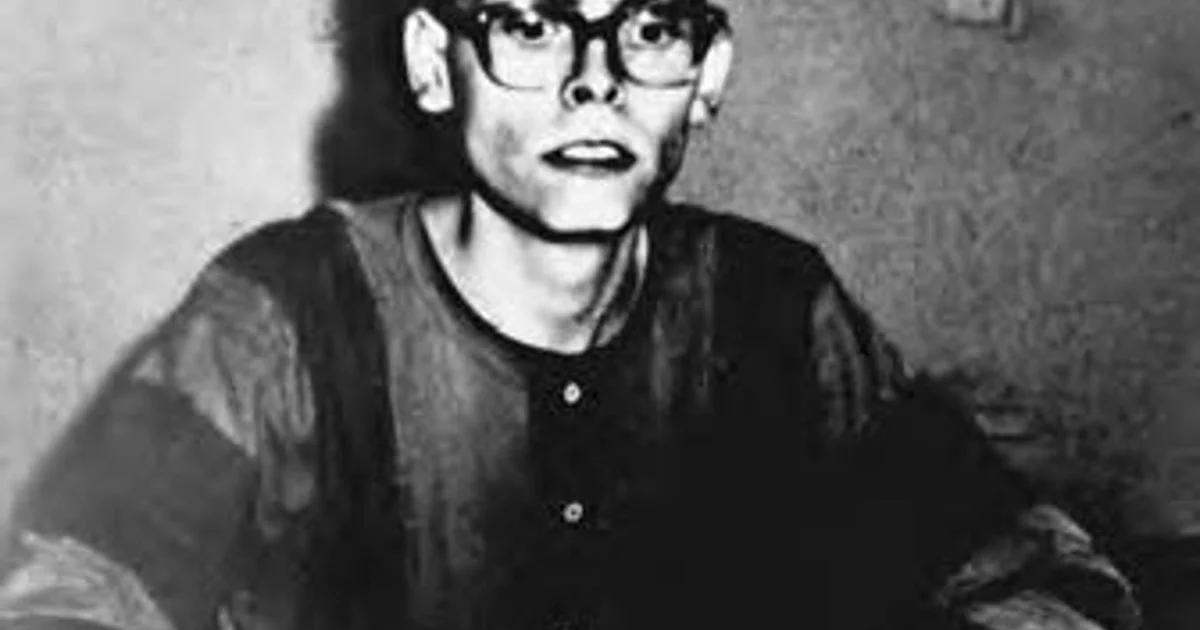
Douglas Brent Hegdahl’s extraordinary journey from being a junior sailor during the Vietnam War to a hero recognized for his resilience and resourcefulness as a prisoner of war (POW) continues to captivate. His story is chronicled in Marc Leepson’s biography “The Unlikely War Hero”, which sheds light on the remarkable adaptability Hegdahl demonstrated under harrowing circumstances. Born in South Dakota with a modest background and limited formal education, Hegdahl’s rise to heroism began with an accidental fall from the U.S.S. Canberra in the Gulf of Tonkin. Surviving hours in the open sea before his capture by North Vietnamese forces, he transitioned from being a sailor to the youngest POW held at the notorious Hanoi Hilton.
Imprisoned under brutal conditions, including solitary confinement and physical torture, Hegdahl’s clever tactics emerged as defining aspects of his resilience. By feigning ignorance and pretending to know little of military operations, he gained favor with his captors while covertly collecting intelligence. His mental agility led him to memorize the names of 254 fellow POWs, transforming the status of 63 individuals from MIA to POW. For many families and military authorities back in the United States, this vital intelligence provided clarity and solace during a turbulent period.
Hegdahl’s actions also included sabotaging North Vietnamese propaganda efforts, showcasing his ingenuity even under extreme duress. Upon his release in 1969, he returned home and shared military-critical intelligence that contributed to substantial improvements in the treatment of POWs during the Vietnam War. Transitioning into post-war life, Hegdahl became an instructor at the Survival, Evasion, Resistance, and Escape (SERE) school, where he used his experiences to educate military personnel on navigating survival scenarios in captivity.
Marc Leepson points out that Hegdahl’s influence, though not derived from traditional combat heroics, had significant and often underappreciated ramifications on military operations and the overarching understanding of POW resilience. His legacy reveals not just courage and adaptability but also the enduring impact that individual actions can have in altering history under the most adverse circumstances.
Why this matters
Hegdahl’s story underscores the critical importance of resourcefulness and mental fortitude in naval and military operations. His ability to exploit non-combat situations for intelligence purposes provided military planners with credible insights that reshaped expectations for POW conditions and treatment. For ship operators and naval commanders, lessons from Hegdahl’s ingenuity remain relevant, particularly in planning survival, escape, and evasion strategies for personnel exposed to combat zones. His contributions at the SERE school demonstrate how lived experiences can be institutionalized into training programs that enhance resilience among service members.
The memorization of POW names and statuses by Hegdahl stands as a model for operational intelligence gathering, even under excruciating imprisonment conditions. His actions reflect a personal and systemic ability to alter intelligence outcomes with minimal resources, promoting a broader understanding of asymmetric warfare and POW dynamics. For the maritime industry, the acknowledgment of such strategic ingenuity could inspire enhanced training and preparedness for sailors, especially in politically volatile maritime regions.
Looking forward, Hegdahl’s legacy highlights the influence of resilience and creativity in challenging environments, offering actionable insights for military forces, ship captains, and crew members potentially facing hostage or imprisonment scenarios. His heroism serves as a reminder that even in confinement, individual agency can drive significant operational and historical change, ensuring valuable lessons continue to guide maritime and defense training programs.