Accelerating Decarbonization in Shipping: Insights from Knut Ørbeck-Nilssen
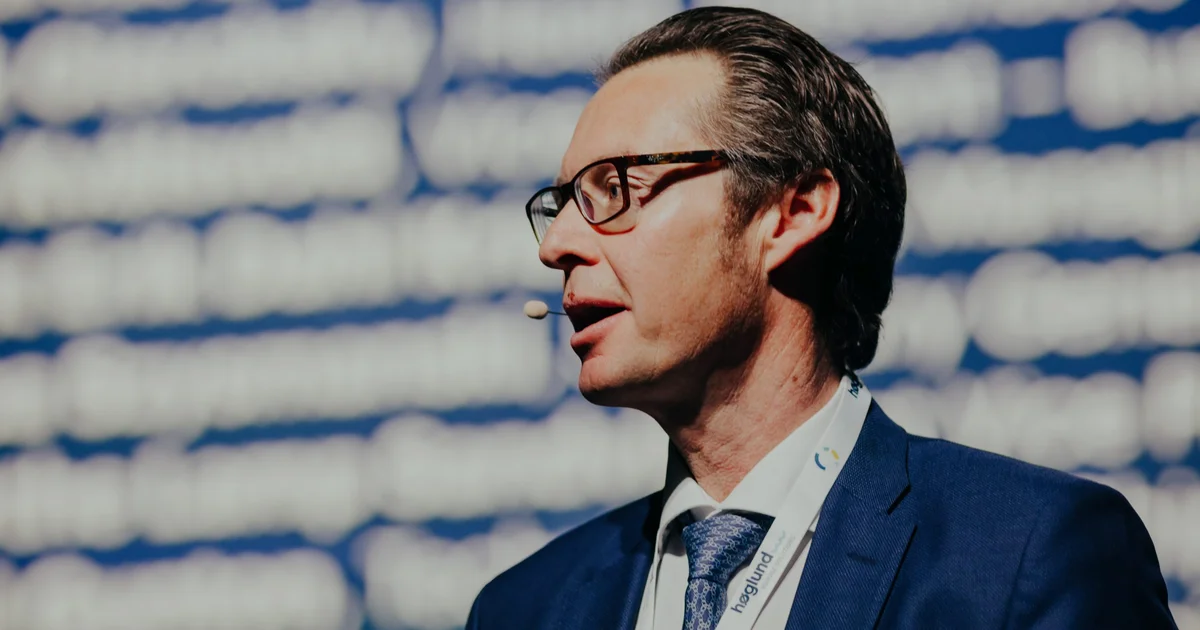
Knut Ørbeck-Nilssen, CEO of DNV’s Maritime division, emphasizes the pressing need for accelerated decarbonization in the shipping industry. While advancements have occurred, he asserts that collaboration among stakeholders is essential to achieve ambitious sustainability goals. The upcoming Nor-Shipping event, themed #PartnerShip, serves as a perfect platform to foster this collaboration.
Navigating Uncertain Futures
The maritime industry often struggles with long-term decision-making due to uncertain external factors. Shipowners and operators typically plan investments over 25 to 30 years, creating a challenge when choosing fuels. Ørbeck-Nilssen argues that no entity can navigate these complexities in isolation; partnerships are crucial for a successful transition towards sustainable practices.
Progress and Challenges
Despite significant barriers, Ørbeck-Nilssen acknowledges recent industry achievements, like the rise of LNG as a transitional fuel, which is evident in the growing order books for vessels utilizing alternative dual-fuel propulsion. However, he expresses concern that the pace of change is insufficient given the urgency of climate commitments. For instance, DNV’s report indicates that the shipping sector must produce 5% of its total energy from carbon-neutral sources by 2030 to align with the International Maritime Organization’s (IMO) 2050 decarbonization goals.
The Role of DNV
DNV aims to guide the industry by providing pathways for navigating this transition. Ørbeck-Nilssen notes the organization’s extensive expertise across diverse sectors—including maritime, renewables, and carbon capture—to help mitigate risk and enhance safety. DNV’s “pathways” framework outlines various scenarios for decarbonization, emphasizing that there won’t be a single solution. For example, transitioning through LNG to biogas and then synthetic gas illustrates a phased approach to emissions reduction.
Collective Action
To overcome the challenges of fuel availability and create the necessary infrastructure for alternative fuels, Ørbeck-Nilssen argues for collective action beyond the maritime sector. Collaboration with energy producers, infrastructure developers, and regulatory bodies is crucial for enabling sustainable change. The recently launched Nordic Roadmap initiative exemplifies such collaborative efforts, aiming to establish “green corridors” for shipping to facilitate infrastructure and share knowledge, establishing a model for other regions.
The Nor-Shipping Connection
As Nor-Shipping 2023 approaches, Ørbeck-Nilssen reflects on the event’s significance, which brings global stakeholders together. As DNV’s Main Partner, he believes it serves as a platform for relationship-building, knowledge-sharing, and demonstrating industry advancements. The event encapsulates the essence of partnership that Ørbeck-Nilssen advocates for, emphasizing face-to-face interactions that enhance collaborative problem-solving.
In summary, Ørbeck-Nilssen portrays an optimistic yet realistic view, calling for urgent collective action to accelerate decarbonization in shipping. Through strategic partnerships and collaborative initiatives, the industry can tackle the inherent challenges and work towards a sustainable future.