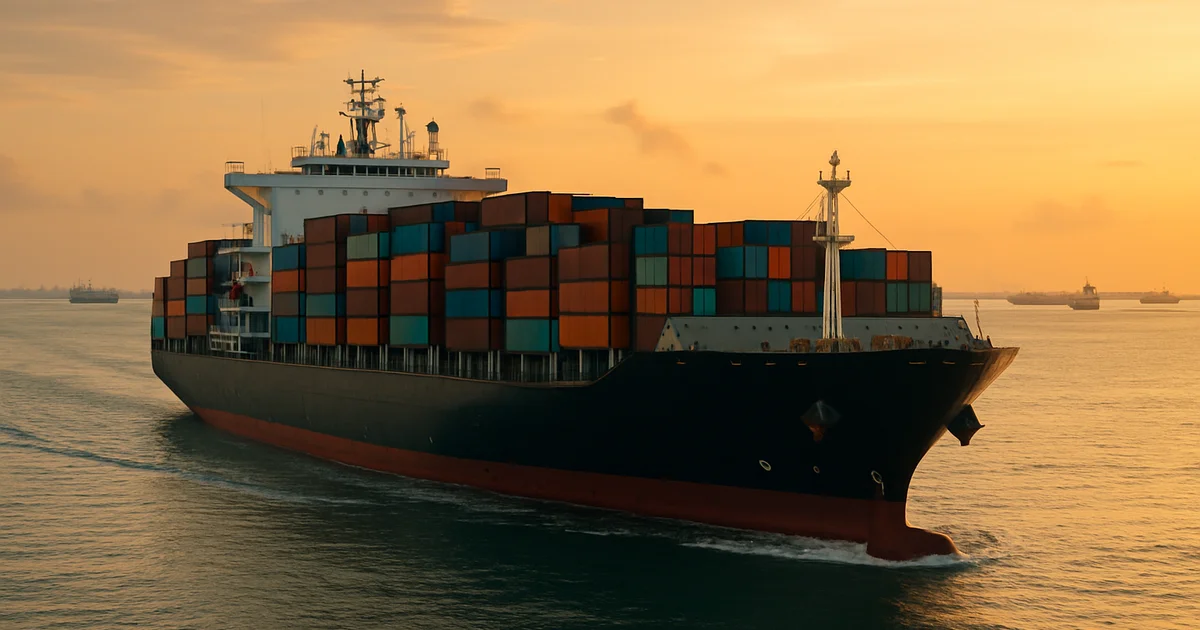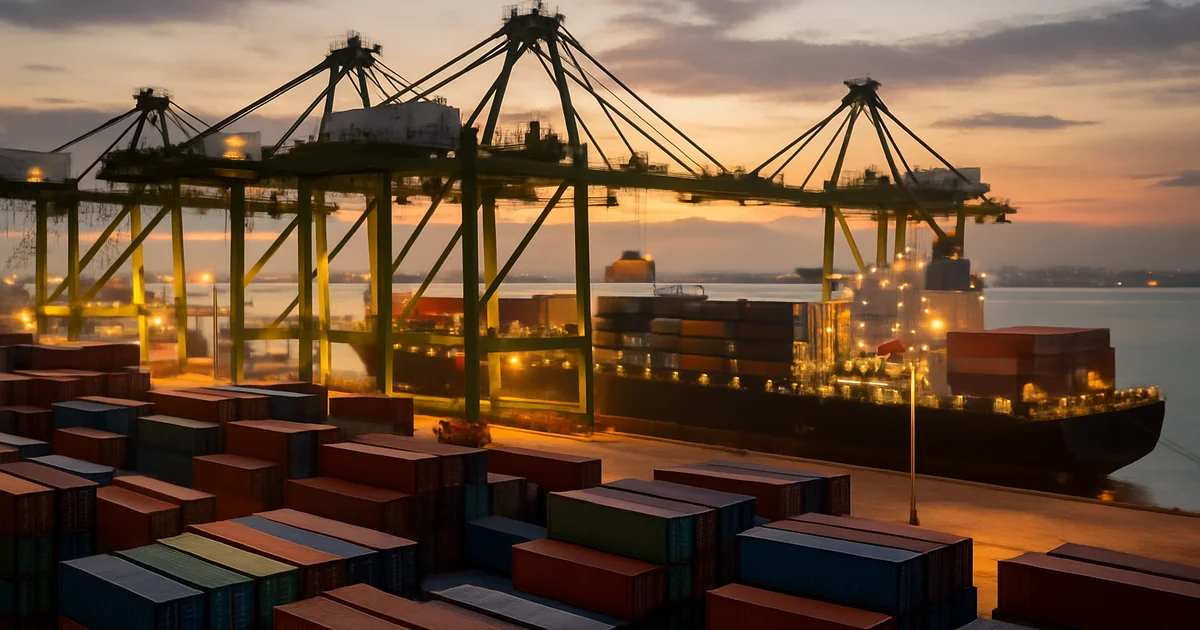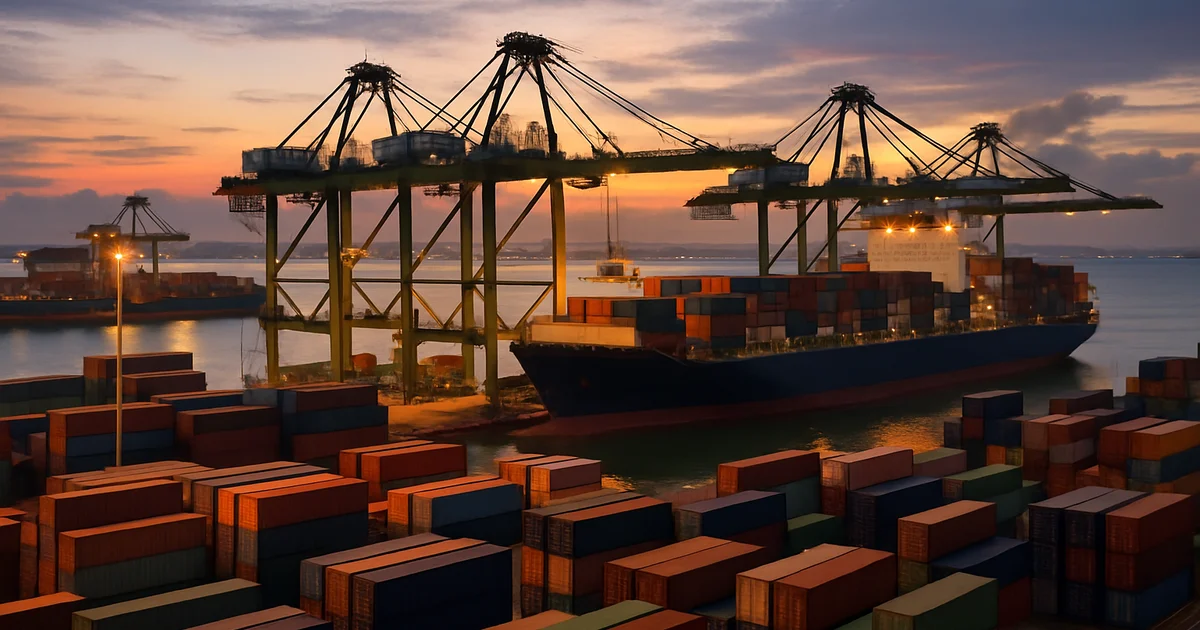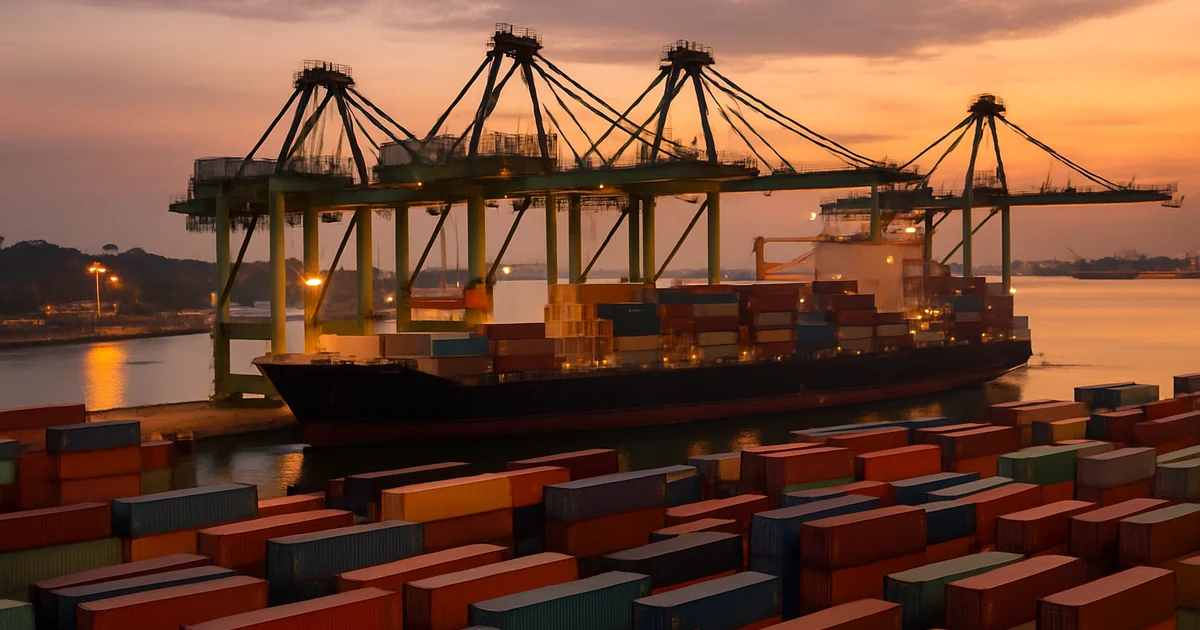
Maritime law serves as the foundation of the global shipping industry, ensuring operational safety, environmental protection, and regulatory compliance across international waters. As maritime trade continues to grow, ship operators and owners must stay informed on both international maritime conventions and local regulations, particularly in strategic ports like Singapore.
International Conventions: Core Frameworks for Maritime Safety and Sustainability
The International Convention for the Safety of Life at Sea (SOLAS), established by the International Maritime Organization (IMO), is a pivotal treaty governing maritime safety standards. Its requirements cover critical areas such as fire protection and safety systems, life-saving appliances, navigation and communication equipment, regular safety drills, and mandatory crew training. Compliance with SOLAS is non-negotiable for vessels engaged in international voyages, with non-compliance leading to potential detentions, financial penalties, and reputational risks.
Similarly, the International Convention for the Prevention of Pollution from Ships (MARPOL) addresses environmental sustainability in shipping operations. MARPOL’s six annexes regulate oil pollution (Annex I), noxious liquid substances (Annex II), harmful substances in packaged form (Annex III), sewage (Annex IV), garbage (Annex V), and air pollution (Annex VI). Ship operators are required to employ pollution mitigation systems such as oil-water separators, sewage treatment plants, and emissions controls. Demonstrating compliance involves routine inspections and maintaining thorough documentation.
Local Regulations: Singapore’s Maritime Compliance Landscape
As a major global maritime hub, Singapore enforces robust regulations to uphold safety and environmental standards. The Merchant Shipping Act governs ship registration, certification of crew, and ship safety within Singapore waters. The Port Regulations, managed by the Maritime and Port Authority of Singapore (MPA), oversee vessel traffic, port operations, and pollution control. Additionally, the Workplace Safety and Health Act mandates rigorous risk assessments and safety protocols across shipyards and maritime operations.
To maintain compliance in Singapore, operators should stay updated through MPA circulars and IMO notifications, invest in crew and shore staff training, consistently maintain inspection records and certifications, consult maritime legal experts proficient in local law, and integrate compliance management software to track regulatory deadlines efficiently.
Why this matters
For shipowners and operators, failure to adhere to both international and local maritime regulations carries operational, financial, and reputational risks. Non-compliance with SOLAS or MARPOL can result in vessel detentions, fines, and disrupted schedules, heavily impacting profitability and trade reliability. In key hubs like Singapore, robust regulatory enforcement amplifies the necessity of staying updated on rapidly changing rules, especially in a port with high volumes of vessel traffic and stringent pollution control measures.
Investments in compliance infrastructure — from crew training to digital compliance systems — are becoming increasingly indispensable for operational survival, particularly when navigating regions with complex regulatory landscapes like Southeast Asia. Additionally, the combined focus on safety and environmental sustainability signals a broader industry push toward decarbonisation, driving the need for early adoption of modern technologies to align with developing international mandates.
Ensuring compliance is not just a legal concern but an operational imperative, and proactive measures can shield operators from costly penalties and ensure a competitive position in heavily regulated trade corridors.
Looking ahead, the enforcement of IMO conventions such as CII (Carbon Intensity Indicator) ratings and the impending global roll-out of emissions trading systems signal a future where maritime operators must adopt advanced compliance tools and strategies to remain viable in the regulatory environment. Maritime stakeholders should monitor these evolving frameworks closely to secure their operational foundations amidst tightening rules.