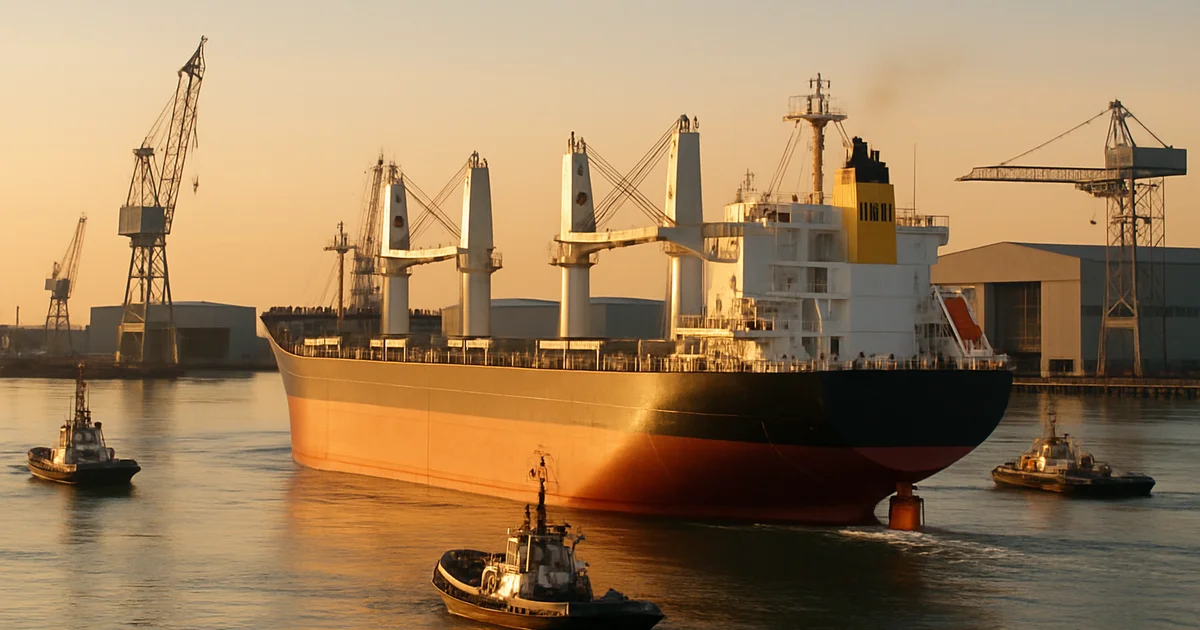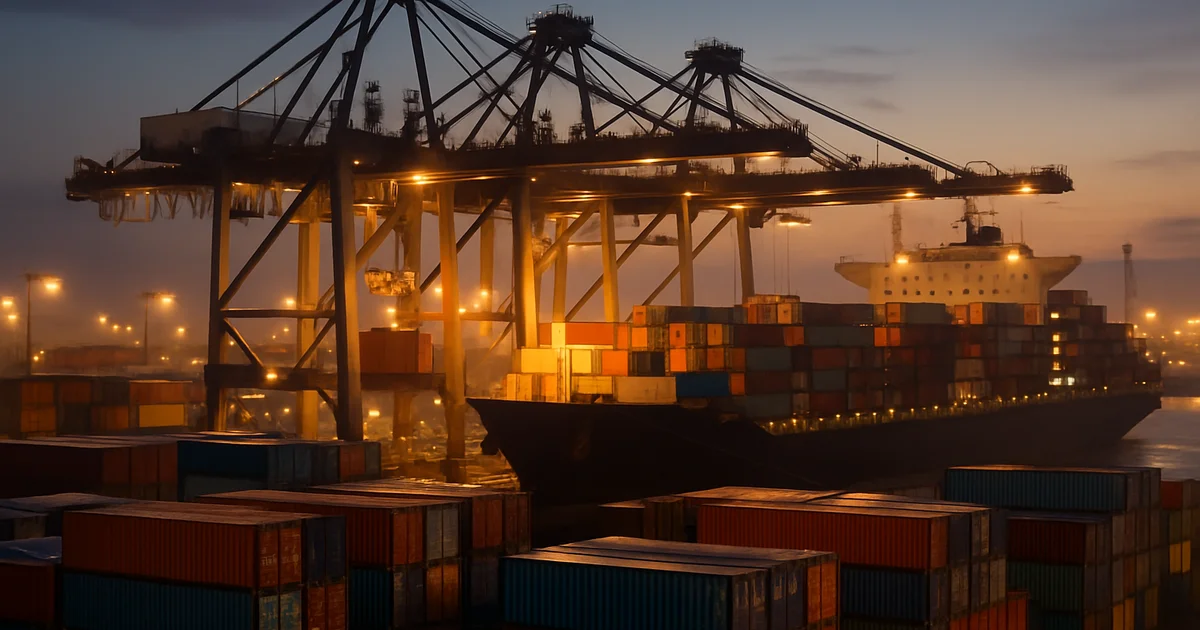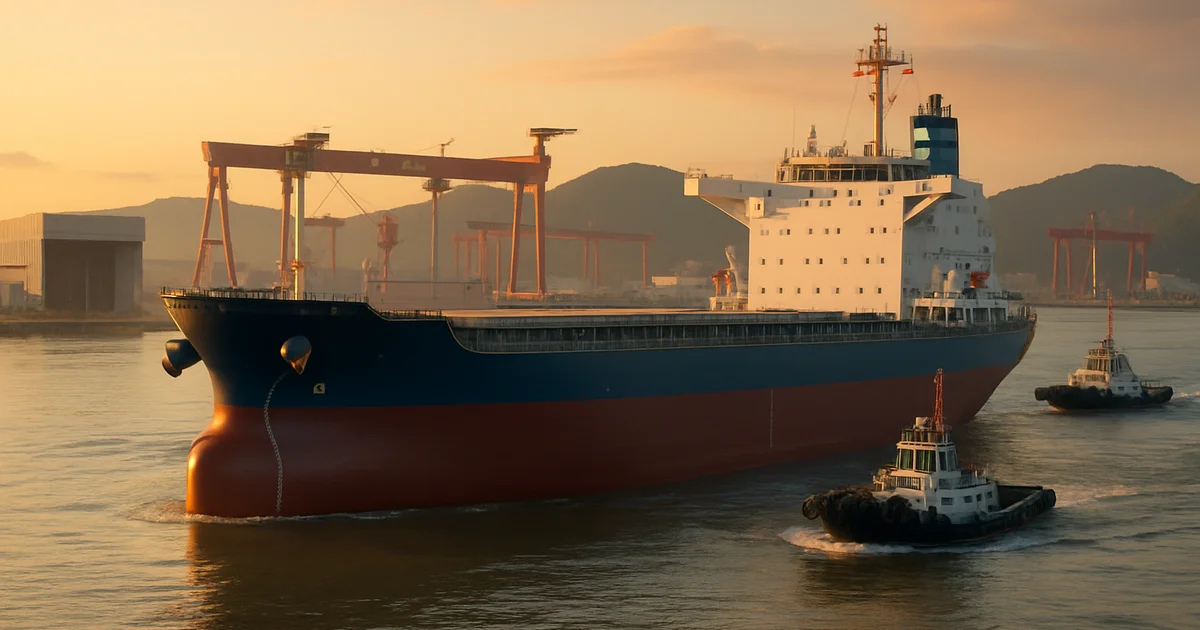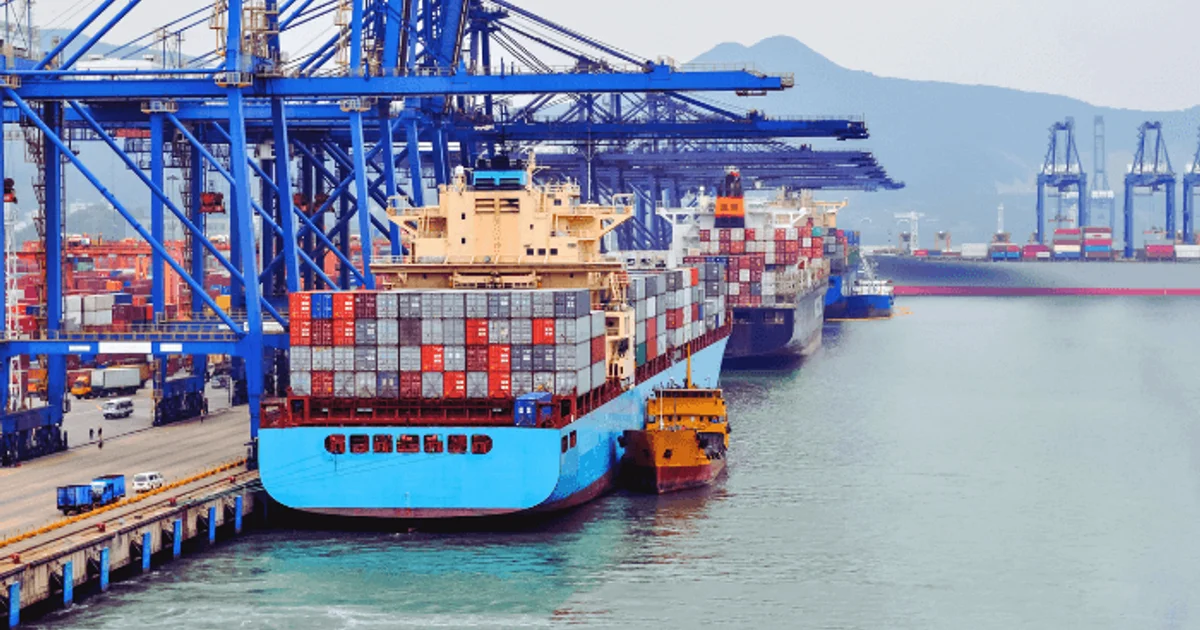
Container ports play a pivotal role in global trade, facilitating the movement of millions of tons of cargo annually through various operations associated with maritime logistics. These operations encompass a wide range of functions including cargo handling, vessel operations, and transportation, all aimed at ensuring efficient and safe transit of goods from origin to destination. Given the complexity of modern ports, meticulous planning and execution are vital to minimize disruptions and ensure timely delivery.
Challenges in Port Operations
-
Port Congestion: This occurs when ships are delayed in berthing, akin to traffic jams on roads, driven by various factors such as inclement weather, labor shortages, and increased global trade volumes. Addressing congestion requires swift and effective responses.
-
Infrastructure Issues: Modern ports need robust infrastructure to manage operations efficiently. Challenges arise when there is inadequate space for vessels and cargo, outdated equipment, or breakdowns. Poor infrastructure can lead to significant bottlenecks and delays.
-
Increasing Container Volumes: As global trade volumes surge, ports must adapt to handle larger container traffic. The operations must remain streamlined to accommodate this growth, necessitating infrastructural expansions.
-
Larger Container Carriers: The rise of ultra-large cargo ships, with capacities exceeding 24,000 TEUs, demands ports to upgrade facilities and equipment to handle these sophisticated vessels. Many ports must enhance their berthing capabilities and deepen channels to manage these giants effectively.
-
Digitalization: The integration of advanced technologies, such as AI and IoT, can optimize port operations. Investments in digital platforms can enhance efficiency and security, preventing cyber threats while improving planning and response to operational disruptions.
-
Workforce Issues: Balancing technological advancements with human labor is critical. While digitalization enhances efficiency, it raises concerns over labor conflicts, necessitating staff training on new technologies.
-
Safety and Security: Ports face threats from terrorism, theft, and cyberattacks. Implementing strong security measures is essential to safeguard assets and infrastructure, requiring ongoing assessments and updates of security protocols.
-
Sustainability Challenges: As significant polluters, ports must adopt sustainable practices to mitigate environmental impacts. Initiatives aimed at cleaner technologies and environmental management are becoming essential as public scrutiny increases.
-
Regulatory Complications: Navigating governmental regulations is crucial for smooth operations. Simplifying cumbersome procedures can prevent delays and enhance competitiveness among ports.
-
Financial Factors: Economic fluctuations impact trade volumes and, consequently, port operations. Maintaining financial stability through diverse revenue streams and strategic partnerships is vital for modernization efforts.
Conclusion
The global maritime logistics landscape is both complex and dynamic, presenting numerous challenges for container ports. By adopting best practices, integrating modern technologies, and fostering a skilled workforce, ports can not only navigate these challenges but also enhance their resilience and competitiveness in the international arena. This holistic approach not only addresses immediate operational challenges but also sets the foundation for sustainable growth and innovation in the future.