U.S. military strike destroys suspected drug-smuggling vessel in Caribbean
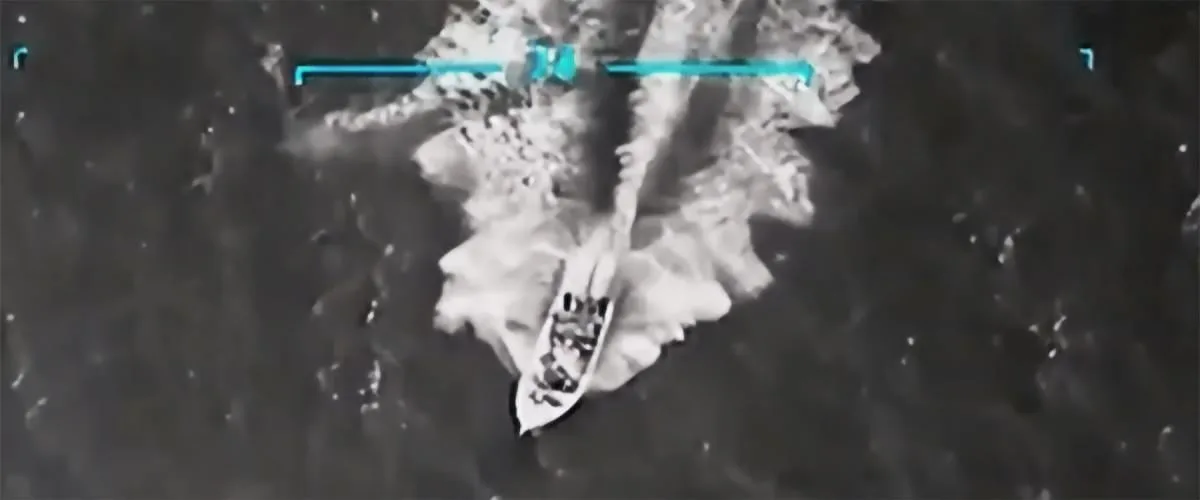
On September 2, 2025, the United States military carried out a precision strike on a speedboat suspected of drug trafficking in the southern Caribbean. The vessel was allegedly linked to the Venezuelan criminal group Tren de Aragua, a faction designated as a foreign terrorist organization by the U.S. government. President Donald Trump announced the operation, claiming that 11 individuals aboard the speedboat were killed during the strike, and warning other traffickers to reconsider engaging in illegal activities. Drone footage released following the event showed the completely destroyed vessel, signaling a stark departure from traditional methods typically employed in maritime counter-narcotics operations.
U.S. maritime drug interdictions have historically relied on the Coast Guard, emphasizing law enforcement measures such as warning shots, disabling fire, vessel boarding, seizure, and arrests. These procedures, regulated by strict legal frameworks, ensure compliance with international laws and provide due process for apprehended suspects. The Coast Guard operates under specific authorities granted by U.S. legislation, making it the primary agency responsible for handling narcotics trafficking at sea. However, the September 2 strike forewent these protocols, opting instead for the immediate use of lethal force against the suspected traffickers.
The military engagement was justified based on Tren de Aragua's designation as a terrorist entity, a move that shifted drug traffickers under the group’s banner from criminal suspects to military targets. Critics have raised significant concerns over this approach, particularly in light of the Posse Comitatus Act, a statute that restricts the U.S. military’s role in civilian law enforcement activities. By treating drug traffickers as terrorists, observers argue that the U.S. risks conflating distinct legal categories, contradicting international conventions, and potentially normalizing summary executions beyond territorial waters.
The strike has prompted questions about compliance with international law and ethical boundaries. The decision to deploy lethal force against foreign nationals on the high seas challenges established norms and raises concerns about the precedent it sets for other nations. Legal experts worry it undermines human rights protections, potentially opening the door for other governments to justify similar actions against U.S.-flagged vessels or American citizens operating in international or territorial waters.
Additionally, the strategic impact of the strike against the speedboat is likely to reverberate within the broader geopolitical landscape, particularly in the context of strained U.S.-Venezuela relations. Venezuela’s government, already antagonistic toward Washington, could perceive the incident as an act of aggression, which risks further escalation in the region. Moreover, longstanding criticism of American interventionism in Latin America adds to the possibility of damaging trust among neighboring nations.
Why this matters
The maritime industry faces heightened risks when criminal entities are reclassified as terrorist groups and international norms on counter-narcotics operations are bypassed. The September 2 strike marks an unprecedented intersection of military force and traditional maritime law enforcement, raising concerns for vessel operators regarding jurisdictional clarity and operational protocols. Maritime operators may now need to account for potential security escalations when navigating waters in conflict-prone regions like the Caribbean and Latin America.
If military action against non-state actors becomes a normalized component of maritime narcotics enforcement, shipowners and maritime insurers could face increased exposure to retaliatory actions. For fleets operating near Venezuela or similar regions, the potential for spillover threats—whether through maritime insecurity or legal claims—becomes a pressing concern. This development also complicates international cooperation, as nations may hesitate to comply with extraterritorial enforcement requests perceived as overstepping international law.
Beyond the immediate maritime risks, classification societies and port state authorities may also reevaluate vessel standards tied to high-risk areas. The operational integrity of adhering to conventional procedures rather than weaponized responses will remain critical in safeguarding maritime due process.
This precedent underscores the need for maritime operators and regulators to closely monitor shifts in U.S. policy that blend law enforcement with military intervention. It highlights a growing area of legal ambiguity that shipowners operating in the southern Caribbean and Latin America must anticipate when assessing regional risks and their potential impact on future trade routes.