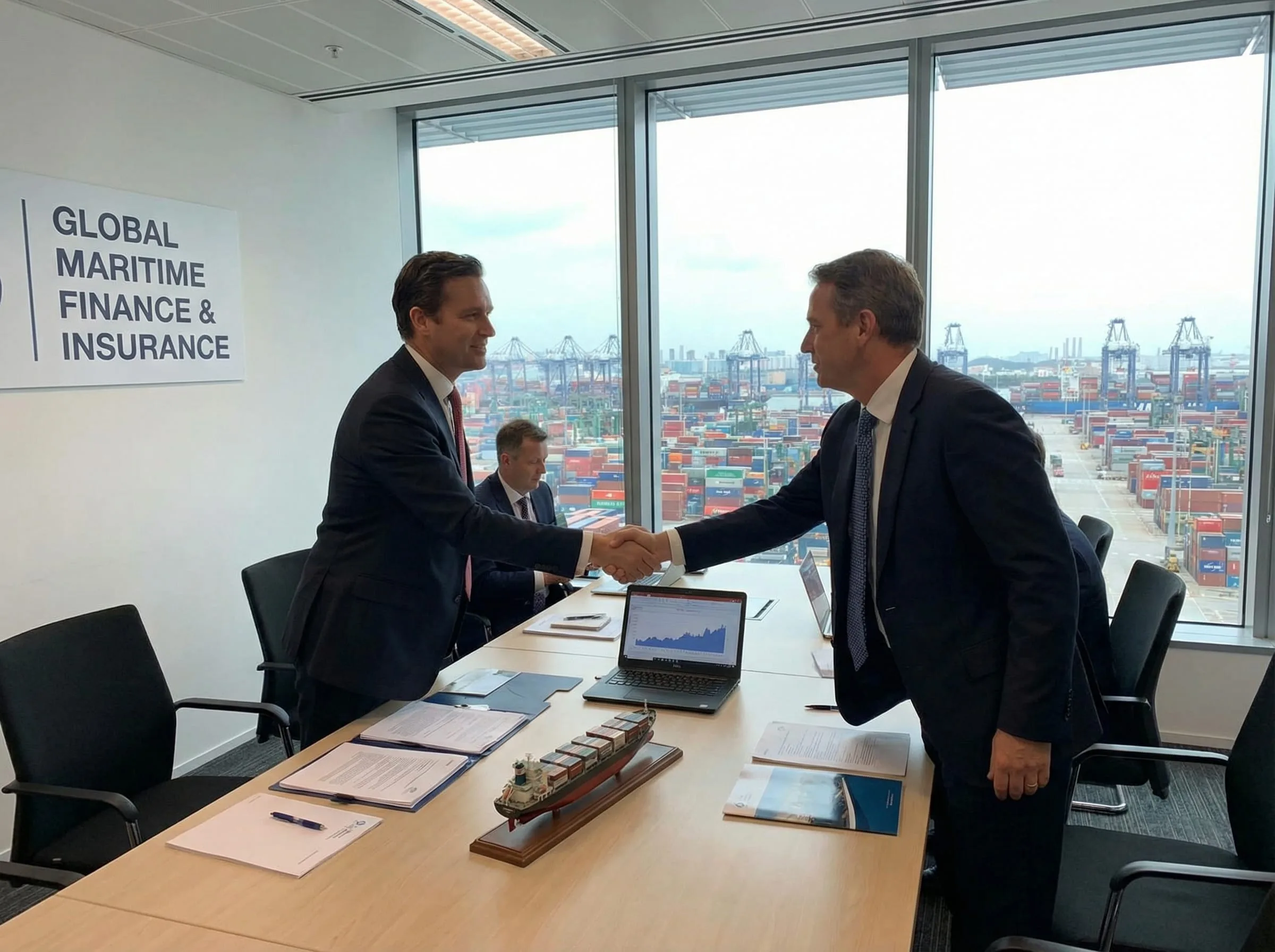
The maritime industry's financial and insurance landscape, critical for sustaining global trade operations, is evolving with diverse funding options and risk management strategies gaining prominence. Shipping companies must navigate regulatory challenges, volatile markets, and unforeseen operational risks to secure capital, protect assets, and ensure resilience.
Funding avenues for shipping are expanding beyond traditional sources. Analyzing financing trends shows several pathways employed by operators to secure the necessary capital. Banks remain a primary financier for vessel acquisition and fleet upgrades, typically requiring collateral and robust creditworthiness. Leasing and bareboat charters, meanwhile, offer flexibility without ownership, catering especially to emerging market entrants. Private equity investments continue to grow, particularly targeting projects aligning with sustainability agendas and digital innovation, often tied to higher return expectations and governance participation. Export Credit Agencies (ECAs) also play a significant role, facilitating cross-border vessel procurement with competitive rates and risk mitigation. Public offerings and debt instruments attract larger players leveraging transparency and access to broader capital markets.
Marine insurance further safeguards stakeholders by mitigating financial losses stemming from operational and environmental uncertainties. Hull and Machinery insurance addresses physical vessel and machinery damage from incidents such as collisions or natural disasters. Protection and Indemnity (P&I) insurance, provided by mutual insurance associations known as P&I clubs, covers claims related to injuries, pollution, or third-party cargo damages. Cargo insurance ensures the value of transported goods against damage, loss, or theft, while freight insurance secures revenue disrupted by insured perils.
Risk management remains an indispensable aspect of maritime operations. Key strategies encompass operational audits evaluating vessel condition and compliance with SOLAS and MARPOL standards, market monitoring to anticipate freight rate volatility or geopolitical repercussions, and forward planning to adhere to environmental regulations. Increasingly critical is cybersecurity investment, necessitated by digital vulnerabilities threatening sensitive data and operational systems.
Why this matters
Shipping finance and insurance directly impact the industry's ability to scale operations, comply with regulations, and absorb operational shocks. As funding diversifies, operators must weigh the risks and benefits of newer options such as private equity or public offerings versus traditional bank lending. Insurers, facing more complex claims amid escalating environmental and cyber risks, are raising scrutiny on policy exclusions and adapting premium models, influencing the cost of risk mitigation for shipowners.
The rise in regulatory pressure, particularly around carbon reduction mandates, spells financial and compliance risks for operators ill-prepared to retrofit vessels or trade within evolving regional frameworks. Forward-looking risk analysis—encompassing operational checklists, market hedges, and digital fortifications—emerges as an operational imperative to maintain competitive positioning.
Shipowners and financial stakeholders will need to remain vigilant both in optimizing their capital stack and in securing comprehensive insurance coverage to mitigate liability exposure and revenue losses stemming from insured events. Strategic planning in these areas will define competitive resilience across global supply chains.