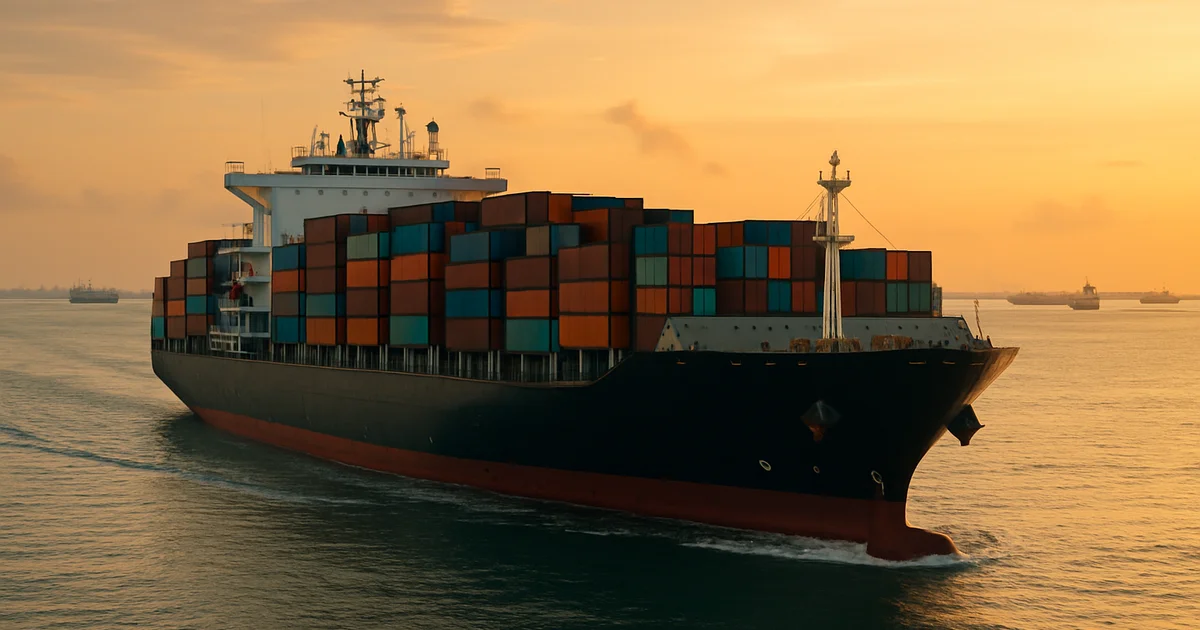
Singapore Maritime Officers’ Union (SMOU) commemorated the International Day of the Seafarer on June 25 by paying tribute to Brother Muhammad Furqan Mohamed Rashid, a 25-year-old second officer who tragically went missing at sea. Furqan reportedly fell overboard from the bulk carrier African Cardinal, approximately 14 miles off the coast of Point Conception, California, on June 20. The U.S. Coast Guard launched an extensive search operation spanning a 200-square-mile area but suspended efforts after 15 hours due to the lack of findings. The circumstances surrounding Furqan’s fall remain unclear, heightening distress within the maritime community and among his family and colleagues.
In a public statement, SMOU shared its collective grief and expressed solidarity with Furqan’s family during this challenging time. The union underscored the importance of community support, urging its members to join in prayers for Furqan’s safe return. Recognizing the inherent dangers of maritime work, SMOU framed the incident as a somber reminder of the risks faced by seafarers while they drive global trade and economic activity. Additionally, the message sought to advocate for greater safety measures and ongoing initiatives to bolster support systems for seafarers both domestically and internationally.
Singapore, with its modest pool of local seafarers, has taken steps in recent years to promote maritime careers among youth, acknowledging the significant contributions of international crew serving Singapore-flagged vessels. SMOU’s commemorative message on June 25 thus not only addressed Furqan’s plight but also reaffirmed the vital role seafarers play in sustaining worldwide supply chains. The union emphasized that advocacy for safety, well-being, and solidarity among maritime professionals remains essential.
Why this matters
This incident highlights the critical safety challenges and risks inherent in maritime professions. Despite continuous efforts to enhance onboard safety protocols, seafarers remain exposed to unpredictable dangers, as seen in Furqan’s tragic fall. For shipowners and operators, this underscores the necessity of reinforcing training programs and safety procedures to prevent accidents and minimize risks in high-stakes environments.
Moreover, Furqan’s case draws attention to the psychological and emotional toll such incidents have on families, crewmates, and organizations. It illustrates the need for maritime unions, insurers, and governing bodies to strengthen post-incident support mechanisms, including grief counseling, workplace solidarity, and financial assistance for affected parties.
Singapore’s small but strategically significant maritime workforce serves as a reminder of the importance of cultivating interest in maritime careers among younger generations. Events such as these should prompt industry stakeholders to ensure robust safety measures are in place, as well as to intensify outreach and advocacy efforts for a sustainable flow of talent into the sector.
As the maritime community reflects on this tragedy, operators and unions should look toward harmonizing safety initiatives across multi-flag fleets while continuing to honor the contributions of seafarers like Furqan. These incidents may also encourage policymakers to examine and address gaps in maritime safety frameworks globally.
For shipowners and crewing managers, Furqan’s disappearance serves as a stark reminder to reassess emergency response protocols and invest in cutting-edge technologies that ensure active monitoring and swift intervention during overboard incidents. As advocacy for seafarer welfare gains global traction, the incident reinforces the call for industry-wide action to protect lives at sea.