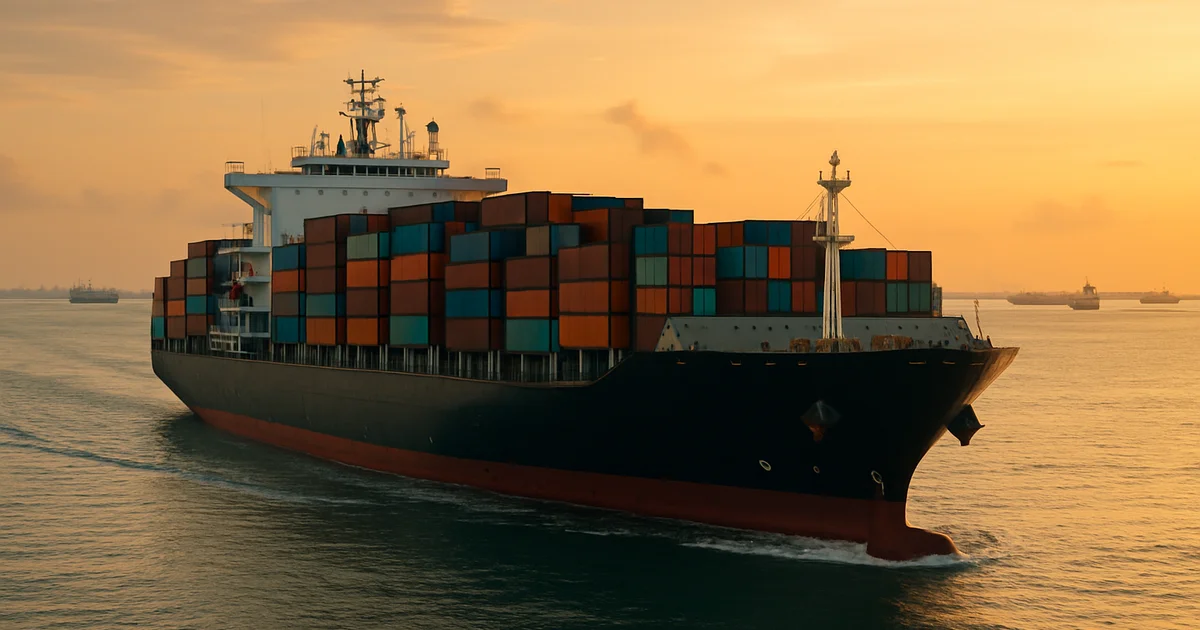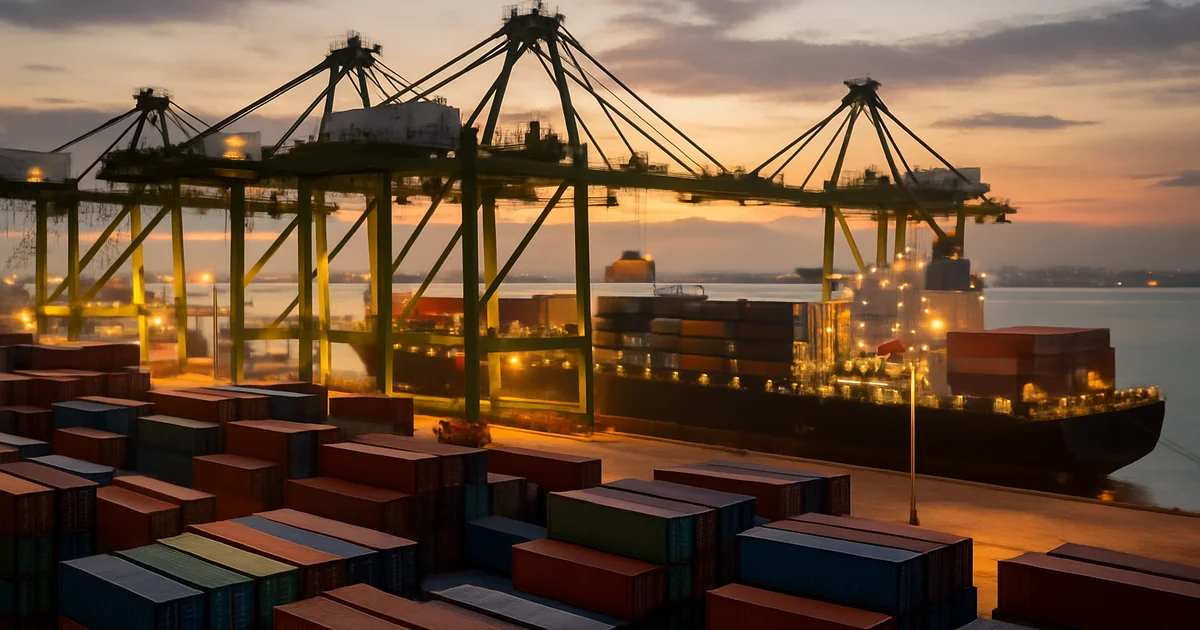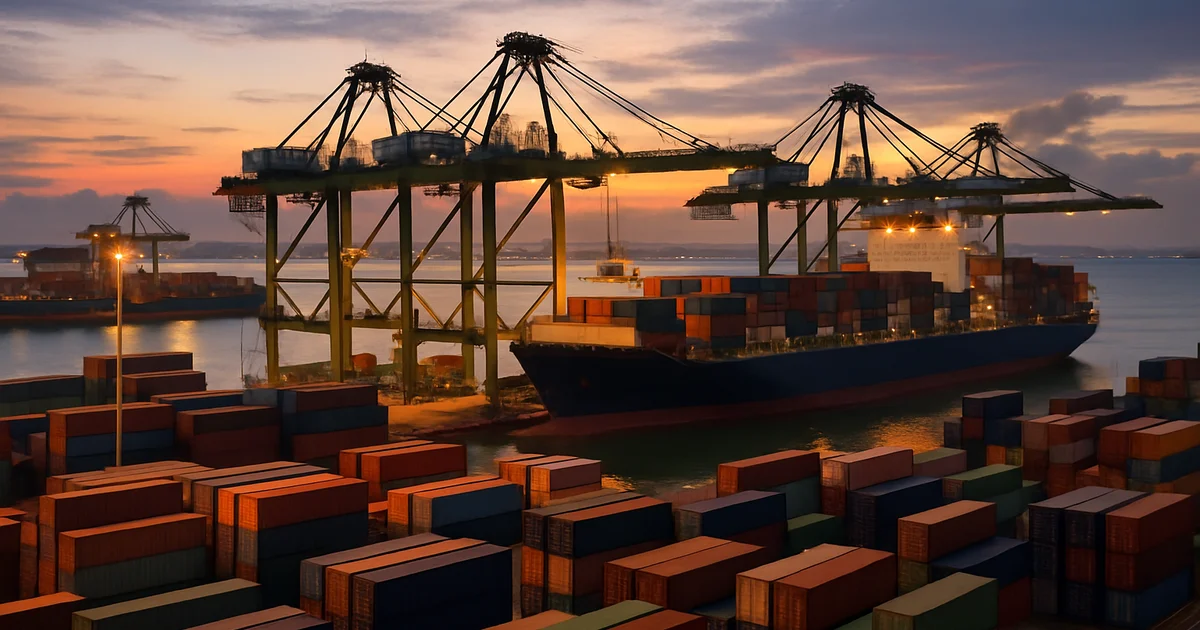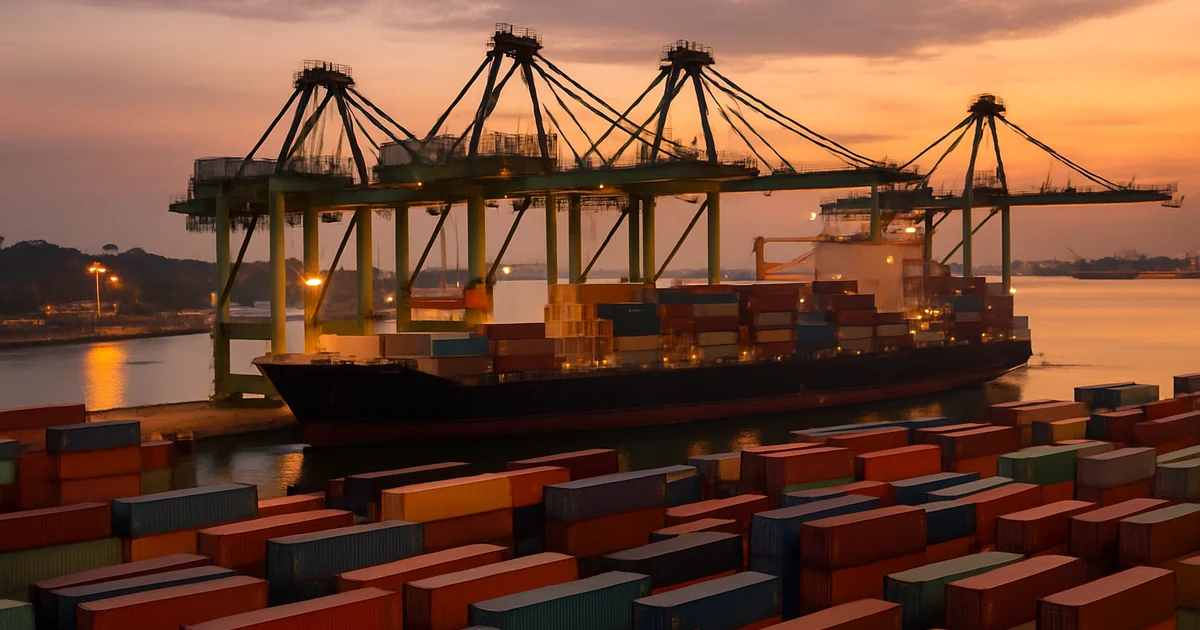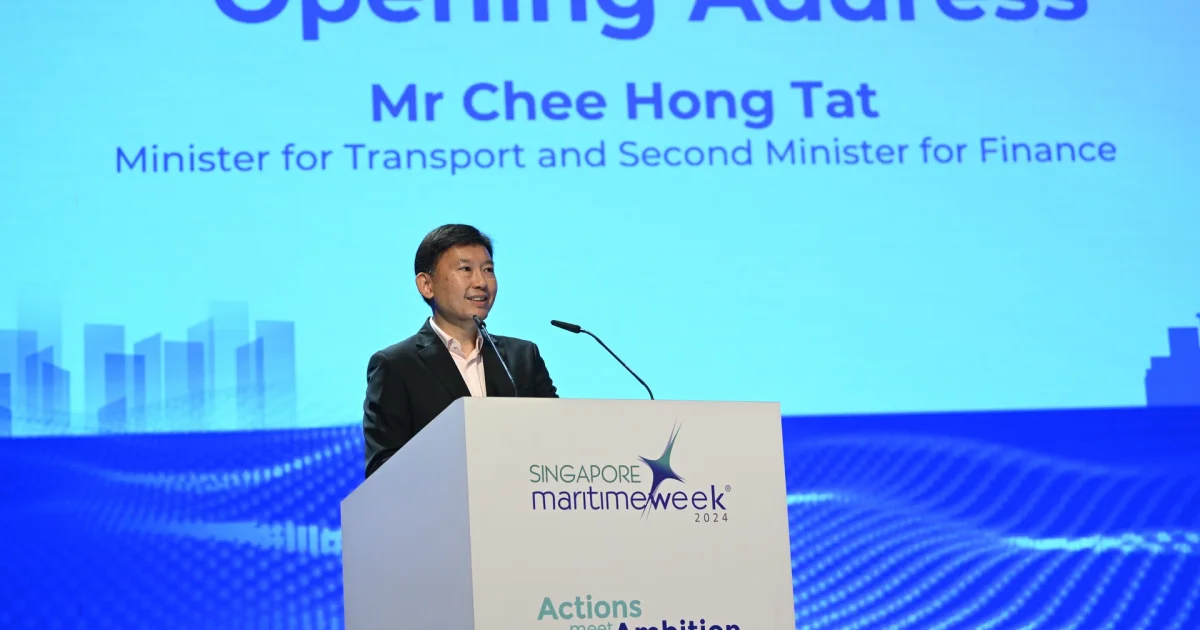
Singapore is set to establish the Maritime Energy Training Facility (METF) as part of its initiative to train international maritime personnel in the handling of alternative fuels, specifically methanol and ammonia. This strategic move, announced during the Singapore Maritime Week by Transport Minister Chee Hong Tat, aims to equip seafarers and maritime staff with essential skills for the safe management of these lower-carbon fuel options and zero-emission vessels.
The Maritime and Port Authority of Singapore (MPA) emphasizes the strong demand from industry stakeholders for shared training facilities in this growing sector. Traditionally, the maritime industry has relied on fossil fuel oil; however, methanol and ammonia are gaining traction as cleaner alternatives. Initially, the METF will focus on these two fuels, with the potential to incorporate hydrogen training in the future.
At the ceremony’s opening, MPA Chief Executive Teo Eng Dih signed a letter of intent to collaborate with 22 industry partners, including international organizations, classification societies, unions, and educational institutions. The development of the METF is scheduled for completion by 2026 as a network of both imminent and current training facilities rather than a single entity.
Training resources will include a new dual-fuel marine engine simulator aimed at safe handling and bunkering of alternative fuels, alongside the upgraded S$2.8 million Wavelink Maritime Simulation Centre. Other existing facilities involve simulators at the Singapore Maritime Academy, Wavelink Maritime Institute, and Singapore Polytechnic’s Centre of Excellence in Maritime Safety, which is equipped with augmented-reality technology.
The financial structure of METF’s development will rely on joint investments from partner organizations, with training costs absorbed by the personnel’s respective employers. It is anticipated that around 10,000 maritime workers, including ship engineers and port personnel, will undergo training through METF until the 2030s.
Significant investments related to this initiative include the establishment of a €20 million (S$29.1 million) service facility and training academy by MAN Energy Solutions in Singapore. Furthermore, the Singapore Maritime Academy has introduced a pioneering training course on methanol as ship fuel, one of the first in the Asia-Pacific region.
As the premier port globally for bunkering, Singapore is actively preparing for the adoption of lower-carbon fuel alternatives, recently executing the world’s first ammonia bunkering trial and a methanol bunkering trial in July. In conjunction with this, a baseline study on the demand for zero and near-zero emission fuels in routes from Singapore to the Los Angeles and Long Beach ports will be published soon.
Additionally, during the Maritime Week, Minister Chee reported a continued uptick in Singapore’s port performance, with notable increases in vessel arrival tonnage and container throughput. This year’s event also marks MPA’s collaboration with Amazon Web Services to launch a pioneering maritime AI and machine learning hub designed to enhance operations through route optimization and emissions accounting. Chee noted the benefits of partnering with a tech leader like AWS to expedite advancements in the maritime sector, a strategy that the Ministry of Transport intends to replicate across other fields.