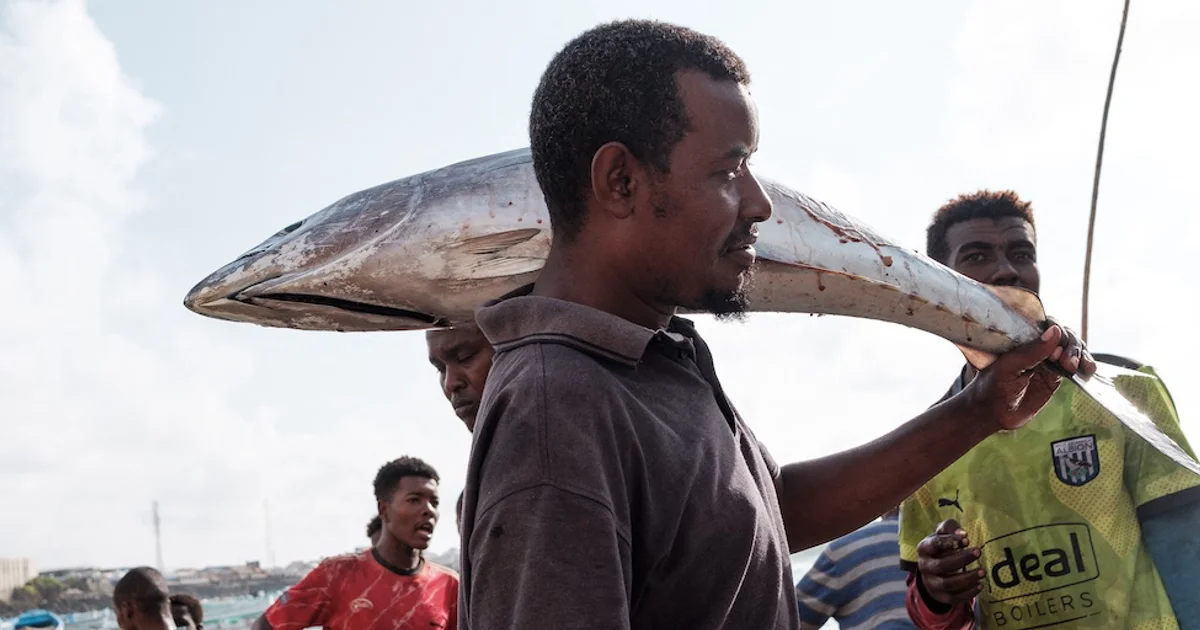
On July 9, 2024, a local news outlet in Somalia reported alarming levels of illegal tuna fishing by Chinese vessels along its coast, particularly emphasizing the high global demand for yellowfin tuna. This species is critical both ecologically and economically, making it a prime target for illegal fishing networks. Since 2015, tuna catches worldwide have consistently exceeded sustainable limits, leading to dire warnings from organizations like Planet Tracker, which predicts a potential collapse of tuna stocks by 2026 without urgent intervention.
Illegal, unreported, and unregulated (IUU) fishing is a significant issue for Somalia, costing the nation approximately $300 million annually. In December 2023, the United Nations Office on Drugs and Crime (UNODC) collaborated with Somalia’s Ministry of Fisheries and Blue Economy to hold a high-level meeting addressing the urgent need for improved fisheries governance and enforcement. However, challenges persist due to the Indian Ocean Tuna Commission (IOTC) lacking direct law enforcement capabilities, relying instead on individual member states that often lack resources to combat IUU effectively.
The transnational nature of IUU fishing is exacerbated by its links to organized crime, including money laundering, corruption, and even modern slavery aboard fishing vessels. Moreover, IUU activities have been implicated in facilitating piracy, creating a complex environmental and security crisis off Somalia’s coast. Recent IOTC meetings have shown some progress, like a 15% cut in bigeye tuna catches and new monitoring standards, but significant regulatory rifts remain, particularly with the European Union resisting tighter measures.
In a controversial move, Somali officials inked a deal with Chinese fishing companies in 2018 that allowed them to fish close to Somali shores for $1 million. This agreement, still active, has faced scrutiny over its lack of transparency, raising concerns about how political alliances influence the governance of Somalia’s fishing industry. Reports suggest that illegal foreign fleets, including Chinese vessels, exploit loopholes and engage in destructive fishing practices like trawling and dynamite fishing, putting immense pressure on fish stocks and harming local livelihoods.
In response, the Somali government has initiated several measures, notably banning trawling in its waters and updating vessel licensing guidelines to combat IUU fishing. Partnerships with international allies like Denmark and the UNODC have led to some successes, such as recent arrests of illegal fishers and financial penalties against offenders.
Nevertheless, corruption and inadequate regulation persist as significant hurdles. Experts argue that strengthening anti-corruption efforts, fostering interagency cooperation, and adopting technology-driven solutions for monitoring are critical for the effective management of Somalia’s fisheries. Failure to implement sustainable fishing practices and robust enforcement could have consequences that extend beyond Somalia, impacting global food security and leading potentially to the extinction of essential species like yellowfin tuna.
Effective governance and regional collaboration are crucial in combating IUU fishing and protecting marine ecosystems, aligning with broader objectives for sustainability and economic stability in coastal communities.