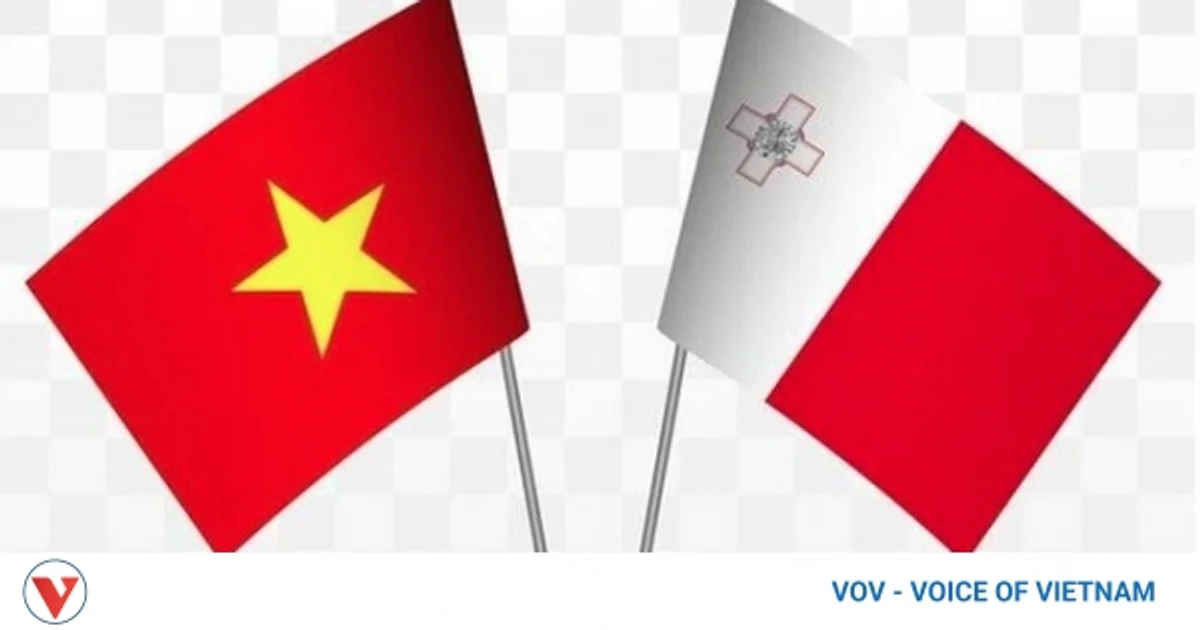
Deputy Foreign Minister Le Thi Thu Hang of Vietnam conducted a landmark visit to Malta from September 9-10, holding bilateral discussions with high-ranking officials, including Malta’s Deputy Prime Minister and Minister for Foreign and European Affairs and Trade, Ian Borg, and Deputy Minister Christopher Cutajar. This trip marked the first official visit by a Vietnamese government representative to Malta, underscoring both nations’ commitment to strengthening their diplomatic relationship.
During the meeting with Deputy Prime Minister Borg, Le Thi Thu Hang extended congratulations on Malta’s recent achievements and expressed appreciation for its sustained support of Vietnam, both bilaterally and in multilateral forums such as within the European Union (EU). The discussions centered on amplifying Vietnam-Malta ties through enhanced cooperation across political, economic, and maritime sectors, including the establishment of political consultations between their foreign ministries. Borg highlighted Malta’s role as a potential gateway for Vietnam to intensify its presence in the EU and encouraged Vietnam to support efforts to deepen Malta’s ties with the ASEAN bloc.
The talks also explored sectoral collaboration in trade, education, science, technology, and maritime affairs. Notable issues raised included Vietnam’s compliance with EU product standards and ongoing efforts to resolve the EU’s IUU yellow card for fisheries. Both parties underscored the importance of maritime cooperation, which includes training for seafarers and advancing maritime research. Borg additionally endorsed ASEAN’s stance on the East Sea while emphasizing adherence to international law, particularly the 1982 United Nations Convention on the Law of the Sea (UNCLOS).
In her meeting with Deputy Minister Cutajar, Le Thi Thu Hang reviewed progress in bilateral relations and discussed long-term cooperation initiatives. Cutajar lauded Vietnam’s socio-economic evolution and signaled Malta’s willingness to promote economic collaboration through the utilization of the EU-Vietnam Free Trade Agreement (EVFTA). Both parties called for the ratification of the EU-Vietnam Investment Protection Agreement (EVIPA), viewing it as essential to unlocking greater investment opportunities between Vietnam and EU member states, including Malta.
Maritime and shipping expertise emerged as focal points during the visit, with Malta reiterating its readiness to enhance collaborations in maritime education, training, and tourism. Deputy Foreign Minister Le Thi Thu Hang also visited the Maritime MT training center, where she commended its programs geared toward maritime education. She stressed the potential for fostering partnerships between Maritime MT and Vietnamese universities to bolster seafarer training and educational exchanges.
The discussions further touched on the Vietnamese community in Malta, with assurances sought for continued support regarding their integration. Both nations expressed optimism regarding the long-term trajectory of their collaboration across economic, cultural, and maritime domains.
Why this matters
Vietnam’s growing engagement with Malta represents a strategic effort to enhance its economic ties with the European Union while diversifying partnerships within EU member states. Malta’s offer to serve as a gateway for Vietnam into the EU market is notable given the bloc’s importance as a trading partner and Vietnam’s ambitions to benefit from agreements like the EVFTA and EVIPA.
Maritime cooperation takes significant precedence, particularly given Vietnam’s push to align with EU standards and address the IUU yellow card on fisheries. Malta’s maritime expertise provides Vietnam with an opportunity to leverage high-grade technical support in areas such as seafarer training and ocean research, aiding Vietnam's compliance trajectory and enhancing workforce competencies.
On a broader scale, the alignment of Vietnam and Malta on principles such as adherence to international maritime law under UNCLOS could bolster security frameworks in contested maritime areas like the East Sea, reinforcing rule-based governance and regional stability.
For the shipping and trade sectors, Malta’s support for Vietnam’s deeper integration into ASEAN signals potential long-term advantages for operators. Enhanced EU access paired with strengthened ASEAN connections could bridge logistics networks and facilitate streamlined trade flows.
The visit sets the stage for intensified collaboration in trade facilitation, maritime training, and investment streams. Stakeholders should monitor upcoming developments in Vietnam’s compliance with EU fisheries standards, the ratification process for EVIPA, and potential collaborations stemming from Maritime MT's educational partnerships. Both nations' efforts to address legal and operational standards could hold wider implications for shipowners and maritime training providers globally.