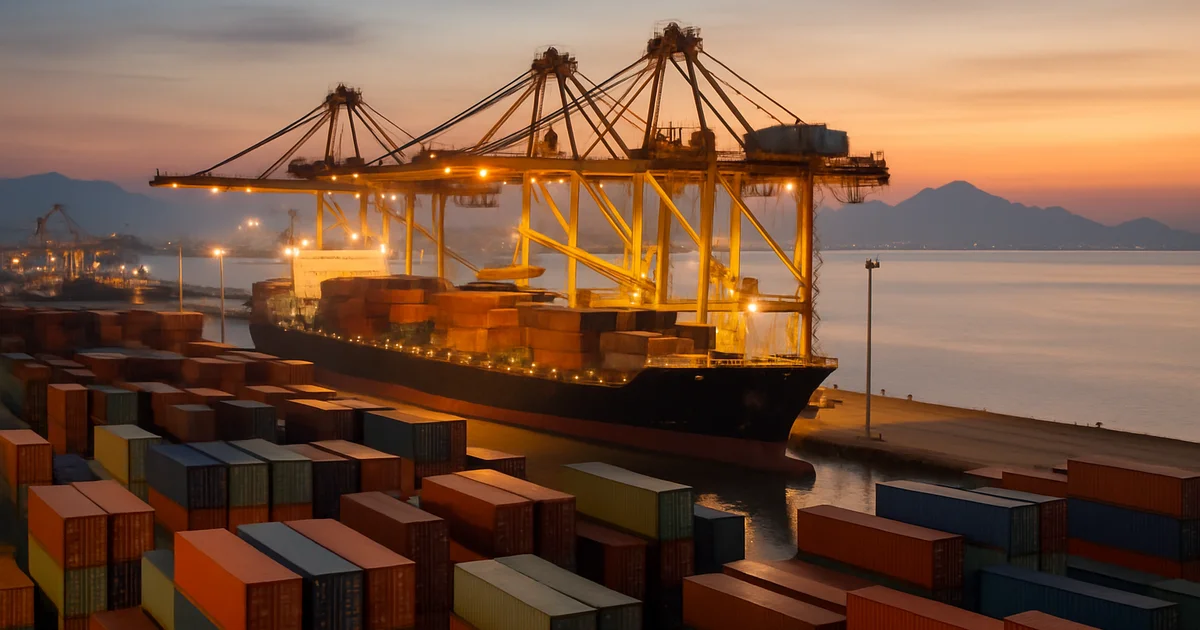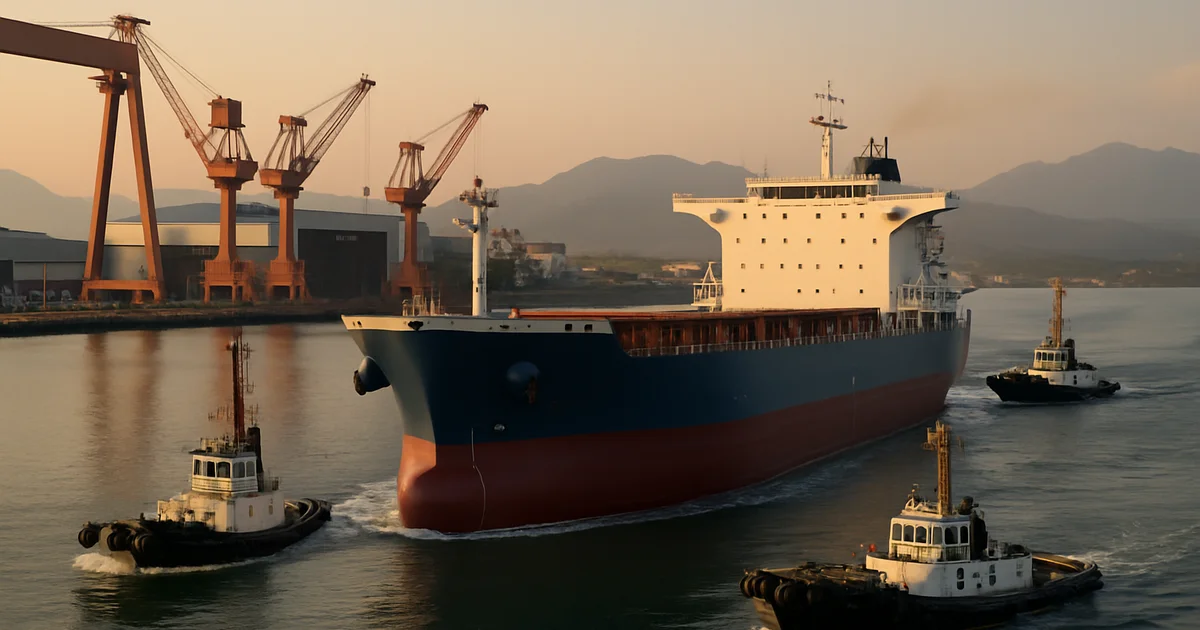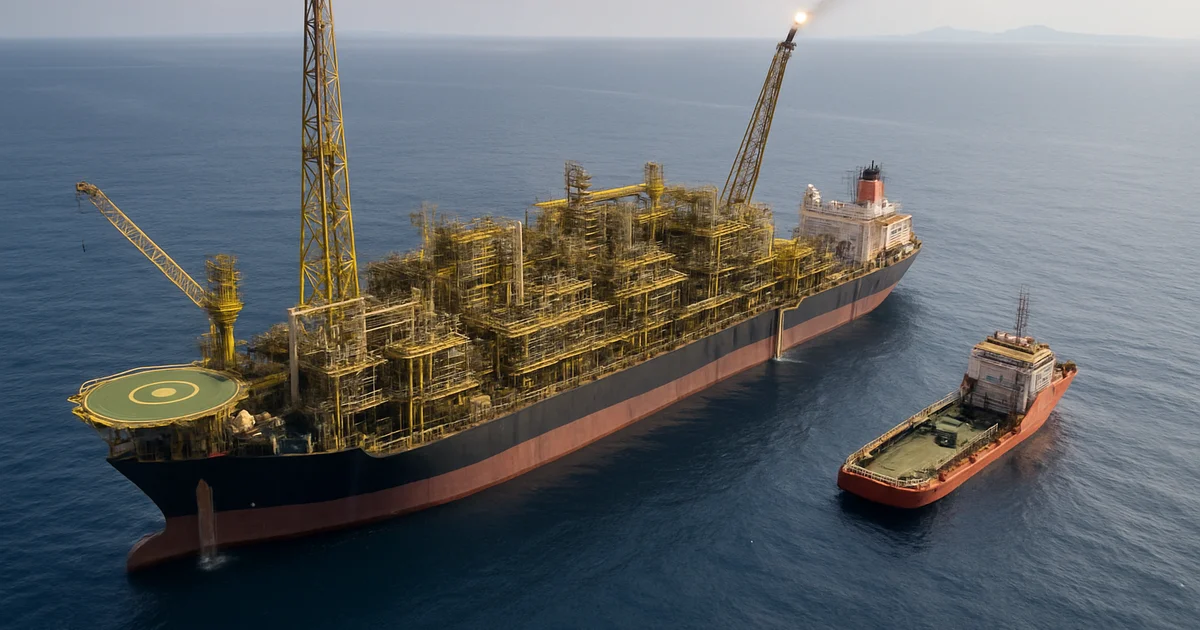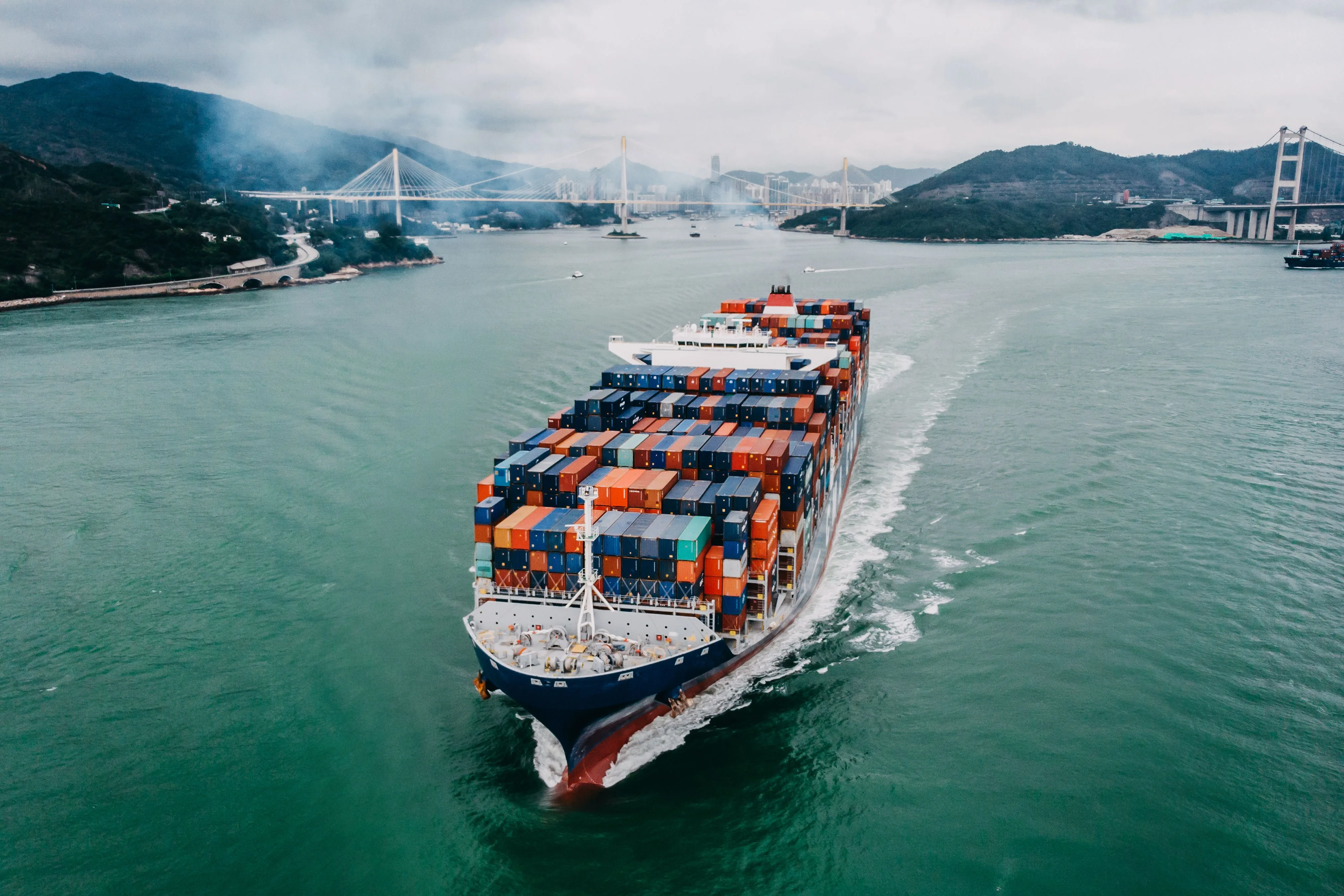
Summary of Vietnam’s Maritime Transport Sector Regulatory Updates (2025)
Vietnam’s maritime transport sector is undergoing significant modernization in 2025, highlighted by substantial regulatory updates aimed at improving efficiency, safety, and environmental protection. This summary encapsulates the key elements of these changes, which are critical for industry stakeholders.
1. Overview of the Maritime Transport Framework
Vietnam’s maritime transport operates within a framework that merges domestic laws with international conventions. The recent 2025 updates emphasize the country’s dedication to aligning with global standards through an updated Maritime Code, international agreements, and enhanced domestic regulations.
2. Key Regulatory Changes for 2025
Decree No. 34/2025/ND-CP has introduced pivotal amendments to previous regulations, particularly updating Decree No. 58/2017/ND-CP, which governs maritime management. Previous amendments by Decree No. 76/2021, 69/2022, and 74/2023 also laid groundwork for better-defined port classifications and streamlined maritime business operations.
3. Shipping Companies’ Compliance Requirements
Shipping companies operating in Vietnam must meet strict compliance standards:
- Business Conditions: Companies must be legally established, possess sufficient financial backing (minimum VND 5 billion), and own at least one eligible vessel (either registered in Vietnam or conforming to national standards).
- Licensing: Companies must acquire multiple licenses, including a Maritime Transport License and a Domestic Maritime Transport License for foreign ships. The licensing process involves submitting comprehensive documentation to the Vietnam Maritime Administration.
4. Documentation and Operational Standards
Companies must maintain rigorous documentation, including:
- Safety Certifications: Compliance with SOLAS standards and the Vietnam Maritime Code, focusing on safety equipment and emergency protocols.
- Environmental Certifications: Adherence to MARPOL regulations, emphasizing proper waste management and emissions control.
- Crew competency: All crew members need STCW qualifications, securing competency in operations.
Operational standards require regular inspections and maintenance to ensure vessel seaworthiness and compliance with environmental practices.
5. Environmental Regulations
Vietnam is enhancing its environmental protection initiatives within maritime operations, reflecting global commitments. Key requirements include:
- Pollution Control: Compliance with stringent regulations for preventing pollution from vessels.
- Waste Management: Implementation of robust waste collection and treatment systems in ports.
- Emergency Protocols: Established measures for responding to environmental incidents, ensuring public health and safety are prioritized.
6. International Maritime Agreements
Vietnam’s updated regulations align with essential international maritime agreements, such as SOLAS and MARPOL, to uphold safety and environmental standards. The ISPS and ISM Codes further enhance security and management protocols for maritime operations.
7. Implementation and Compliance Guide
For effective compliance, companies should:
- Review new regulations frequently.
- Assess their compliance status and implement necessary changes.
- Ensure staff training on updated requirements.
- Conduct regular compliance audits for continuous adherence.
Conclusion
The 2025 regulatory updates in Vietnam’s maritime transport sector signify a crucial advancement in modernizing the industry. Shipping companies must adapt to these changes to ensure operational efficiency, safety, and environmental sustainability. For further guidance, engaging with maritime legal experts or authorities is recommended.
This overview serves as a concise resource for industry stakeholders navigating the evolving landscape of Vietnam’s maritime laws.