Shipbuilding Advances Shape Cruise and Passenger Vessel Innovations
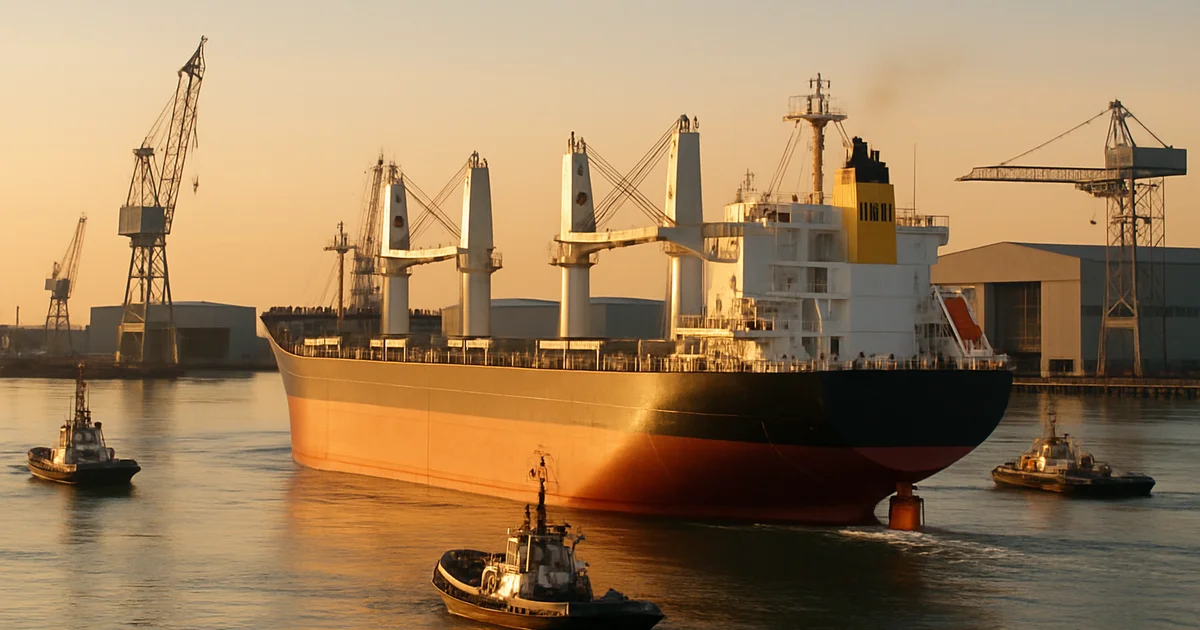
Shipbuilding is undergoing a profound transformation, with advancements in design, materials, and repair methodologies reshaping the future of maritime operations. Industry leaders from South Korea, China, Japan, and Europe are driving the innovation wave, influencing the construction of luxury passenger vessels and large cruise ships. These developments not only address sustainability needs but also enhance safety, efficiency, and operational reliability.
Modern Ship Design Revolutionizes Maritime Operations
The engineering of modern vessels emphasizes efficiency and environmental responsibility. Innovations in hydrodynamic hull designs reduce fuel consumption and cut transit times, while digital twin technology allows operators to simulate ship performance and preempt maintenance issues. Automation and AI-integrated systems are setting new standards for real-time monitoring and autonomous navigation, ensuring enhanced safety and operational control.
Material Innovation Drives Structural and Sustainability Gains
Advanced materials are central to reducing weight and increasing vessel lifespan. Composite materials such as carbon fiber and polymers are frequently employed in high-performance passenger and cruise ships to boost durability and reduce energy consumption. Developing eco-friendly coatings and biocide-free paints further mitigates environmental impact and improves hydrodynamic efficiency. Meanwhile, high-strength steels and alloys offer superior corrosion resistance, lowering the maintenance costs associated with aging fleets.
Breakthroughs in Repair Technologies Optimize Fleet Reliability
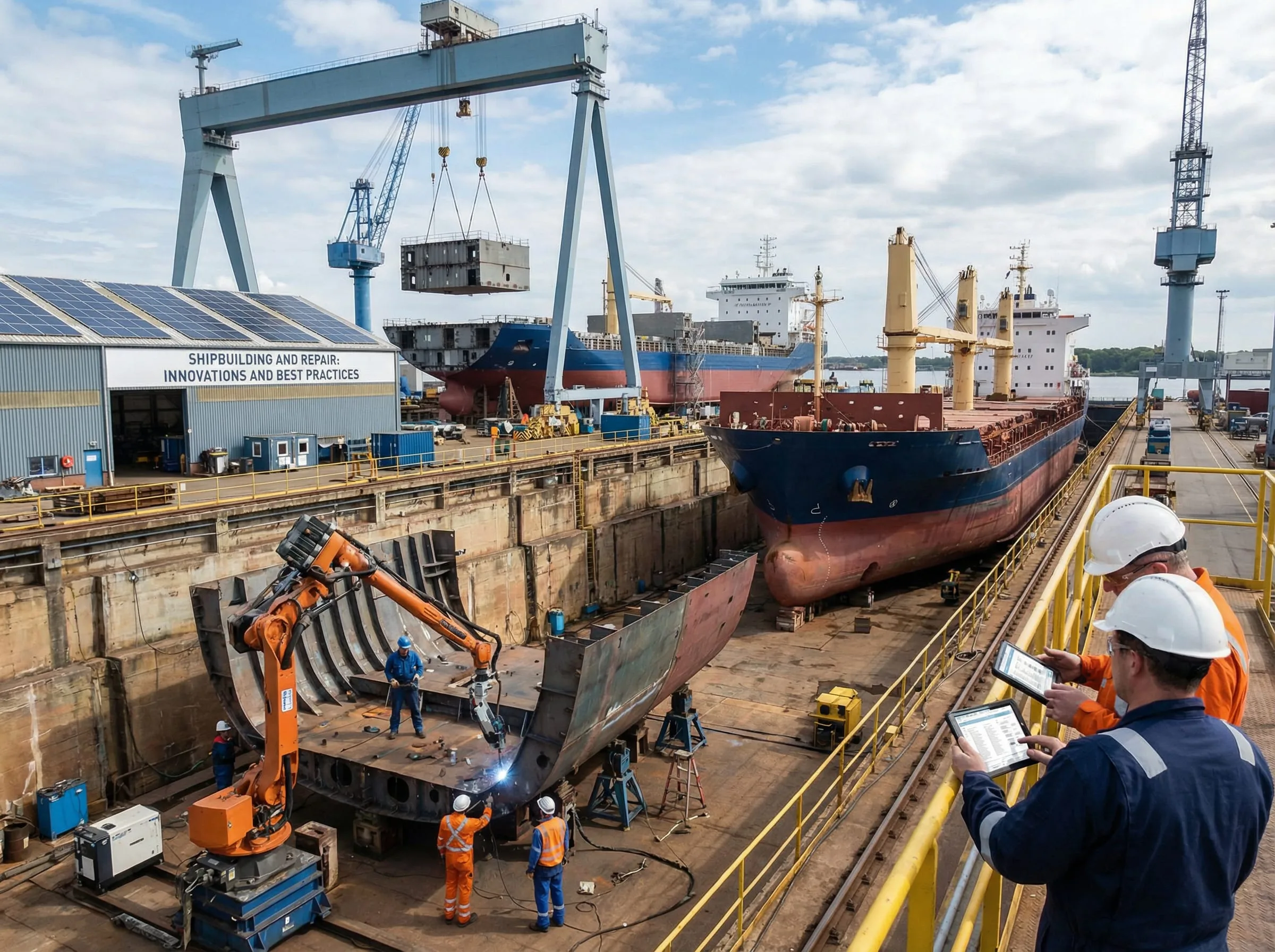
The repair sector is evolving with cutting-edge tools and methodologies aimed at minimizing downtime. Robotic underwater drones enable precise hull and tank inspections, reducing service interruptions. Laser cladding and 3D printing are revolutionizing component repairs, providing cost-effective alternatives to traditional part replacement. Predictive maintenance systems, bolstered by IoT analytics, empower operators to address equipment failures proactively, ensuring the uninterrupted operation of cruise liners and other passenger ships.
Leading Shipyards Propel Global Influence
Major shipyards define industry benchmarks through technology and productivity. South Korean yards, including Hyundai Heavy Industries and Samsung Heavy Industries, specialize in constructing mega-container vessels and LNG carriers, while China State Shipbuilding Corporation has become dominant in green ship technology for bulk carriers and tankers. Japanese firms like Mitsubishi Heavy Industries are globally regarded for their cruise ship expertise and advanced propulsion units, while European shipbuilders such as Germany’s Meyer Werft and Italy’s Fincantieri remain unrivaled in designing luxury passenger ships and technologically sophisticated naval vessels. This global network not only reinforces maritime employment but accelerates innovation in passenger and cruise ship segments.
Why this matters
For shipowners and operators, the intersection of technological advancements in shipbuilding and repair translates into reduced operating costs and improved sustainability metrics. As regulatory pressures mount, particularly for emission reductions within the cruise sector, adopting eco-friendly coatings, alternative fuels, and energy-efficient hull designs will become essential for staying compliant and competitive.
These developments also drive market differentiation, with passenger-focused vessels increasingly incorporating materials and technologies that enhance durability, reduce environmental impact, and deliver upgraded onboard experiences. For stakeholders operating in global tourist-driven markets, staying aligned with these trends is critical to maintaining fleet attractiveness and consumer preference.
As repair technologies advance, operators of high-value assets, such as luxury cruise ships, stand to benefit from reduced downtime and streamlined maintenance protocols. Proactive integration of predictive maintenance capabilities can prevent catastrophic failures, safeguarding both cargo schedules and passenger itineraries.
The evolution of shipyard capabilities further highlights the need for closer collaboration between regions, particularly for shipowners targeting innovation hubs like Korea and Europe. These shipyards are setting new standards in luxury passenger vessel construction and sustainable design, emphasizing precision engineering and eco-conscious strategy.
Moving forward, global operators must prioritize capital investments in advanced ship designs and material innovations to future-proof fleets. As competition intensifies in the passenger vessel market, the focus will increasingly shift to sustainability, operational reliability, and adherence to stringent international maritime regulations.